Commercial Trailer Wraps
Planned for Routes and Fleets
Build a clear graphic system for dry vans, refrigerated trailers, curtain sides, pup trailers, and compatible specialty equipment. Hawk Wraps manages design, printing, lamination, panel organization, and installation from Linden, NJ for fleets operating across NJ, NYC, CT, and PA.
Plan the Largest Panels in the Fleet With Precision
Trailer graphics must work across long viewing distances and complicated bodies. Smooth or corrugated skins, rivets, seams, swing or roll-up doors, side skirts, reflective markings, placard areas, refrigeration equipment, curtain hardware, repairs, and mixed coatings all affect the design and installation plan.
We begin with the trailer roster, body manufacturer when known, length and height, photos, door configuration, substrate, equipment, existing livery, accessible surface condition, dispatch availability, and approved brand assets. That information guides coverage, message scale, panel breaks, film selection, and unit-by-unit production files.
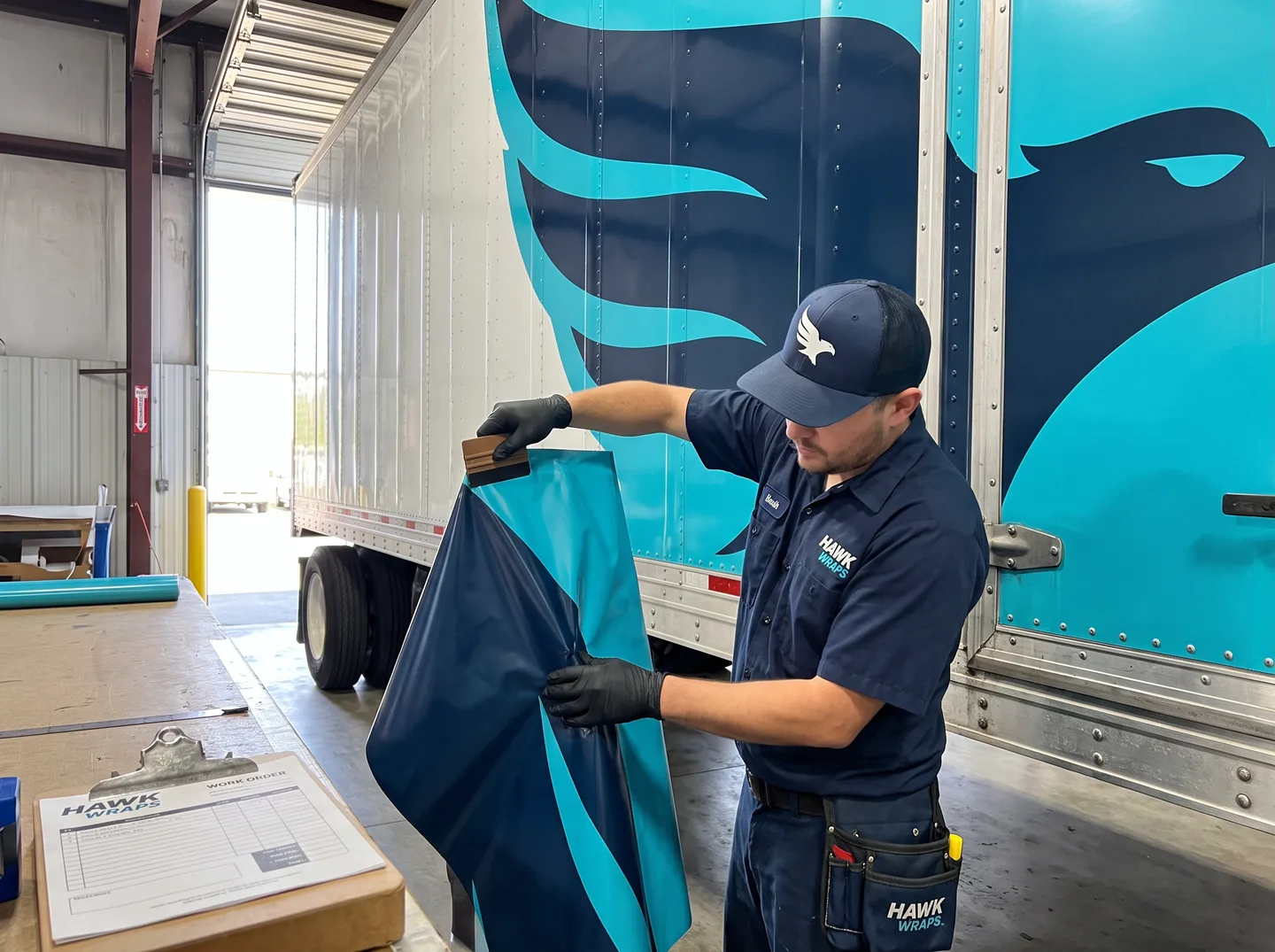
Design, large-format printing, lamination, labeling, and installation are managed from our 10,000 sq ft Linden facility. For fleet programs, approved layouts are adapted across compatible body types and scheduled in phases around actual trailer availability.
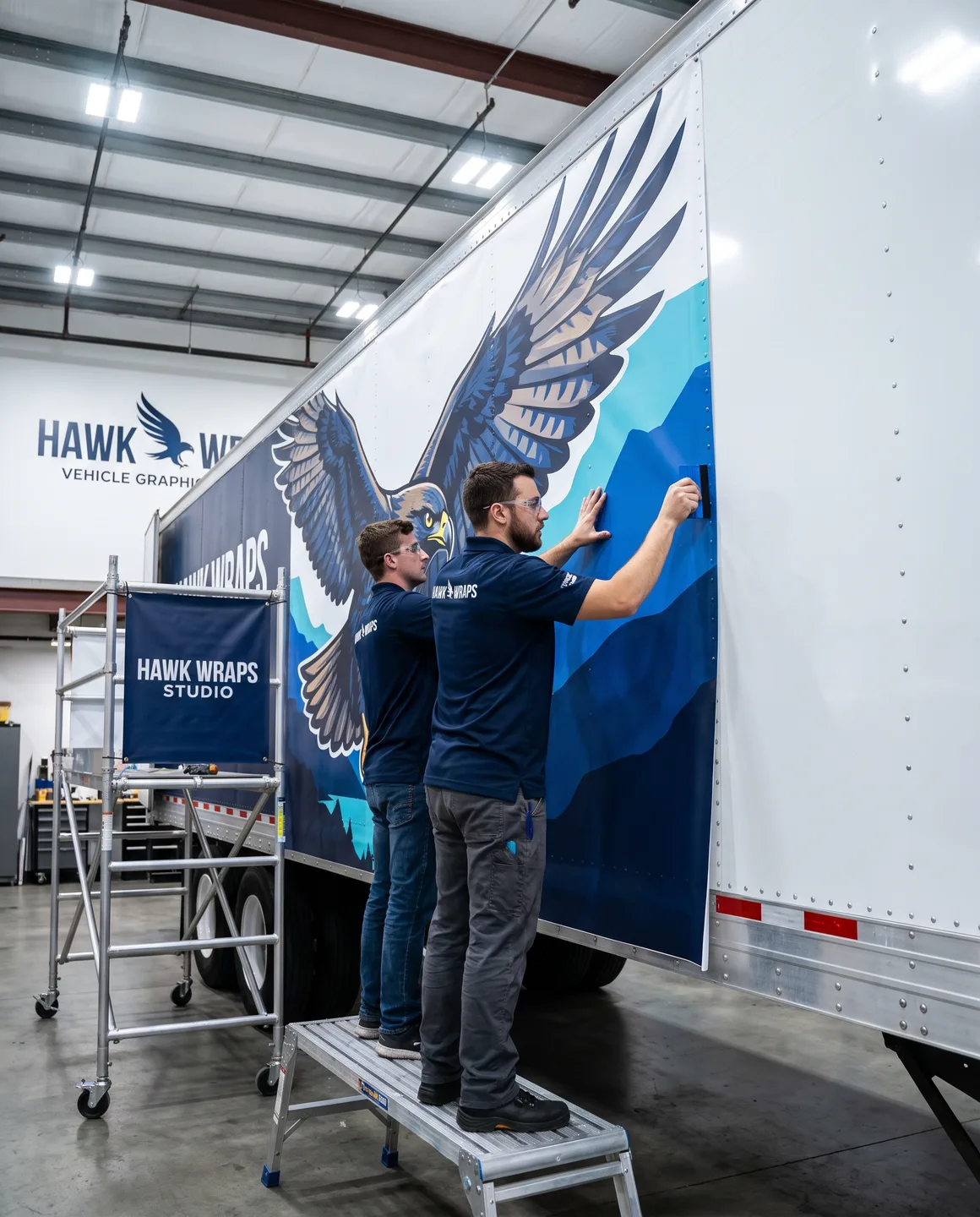
Graphics for Dry Vans, Reefers and Specialty Trailers
Every trailer class requires its own substrate, equipment, access, safety-marking, and installation review. Suitability is confirmed from the actual unit rather than assumed from length alone.
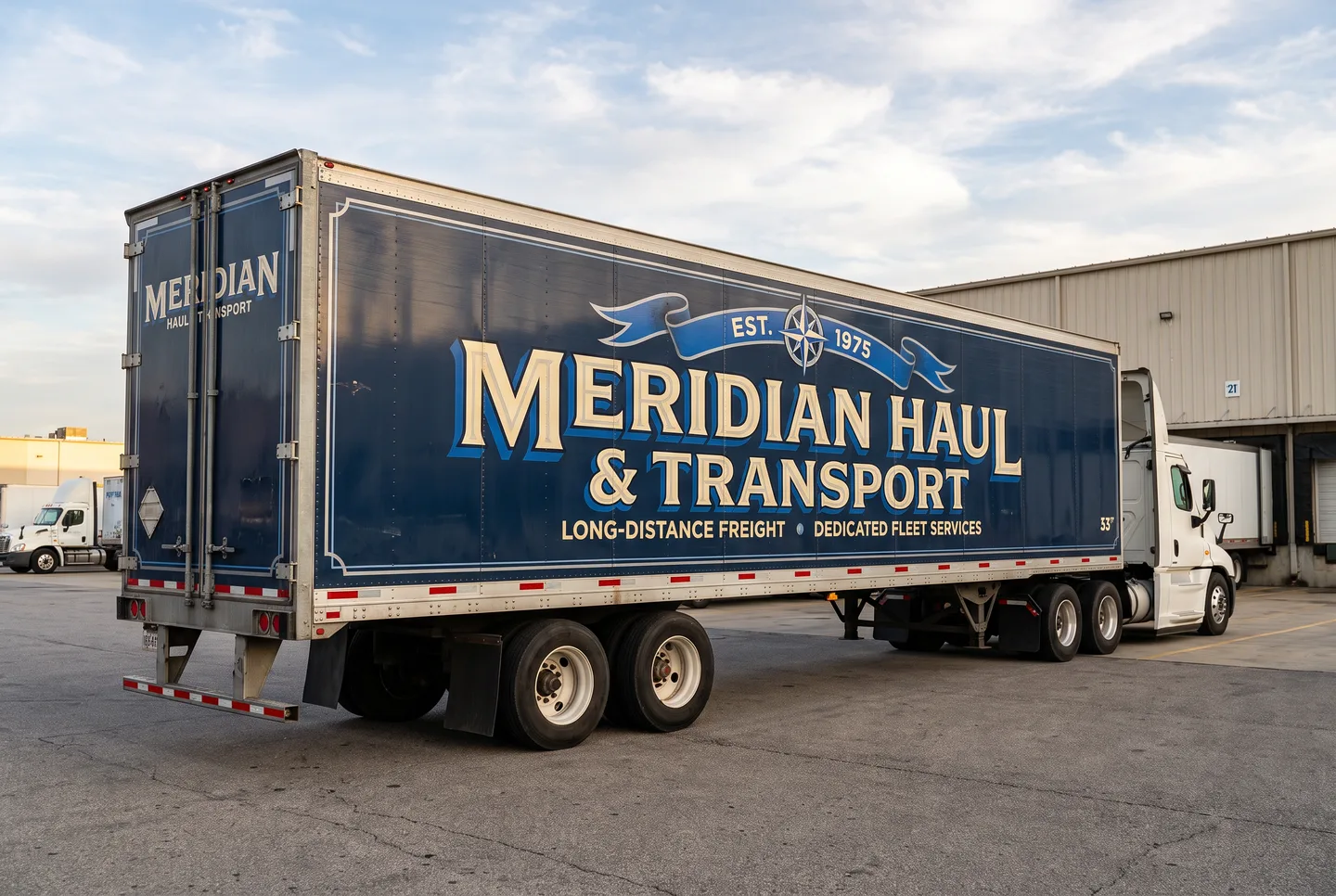
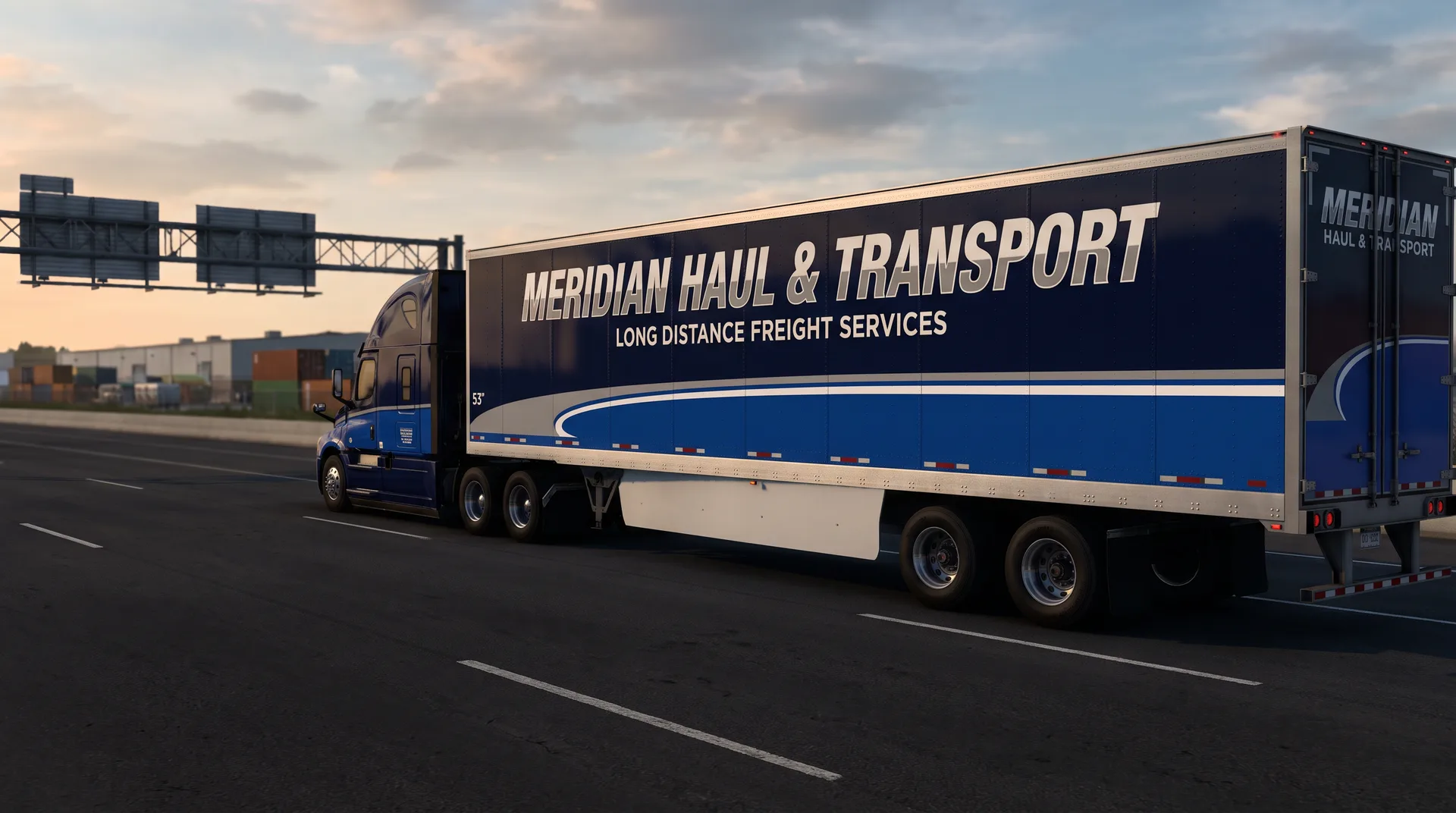
53ft Dry Van Trailers
Long side walls and rear doors for regional and long-haul fleet identity.
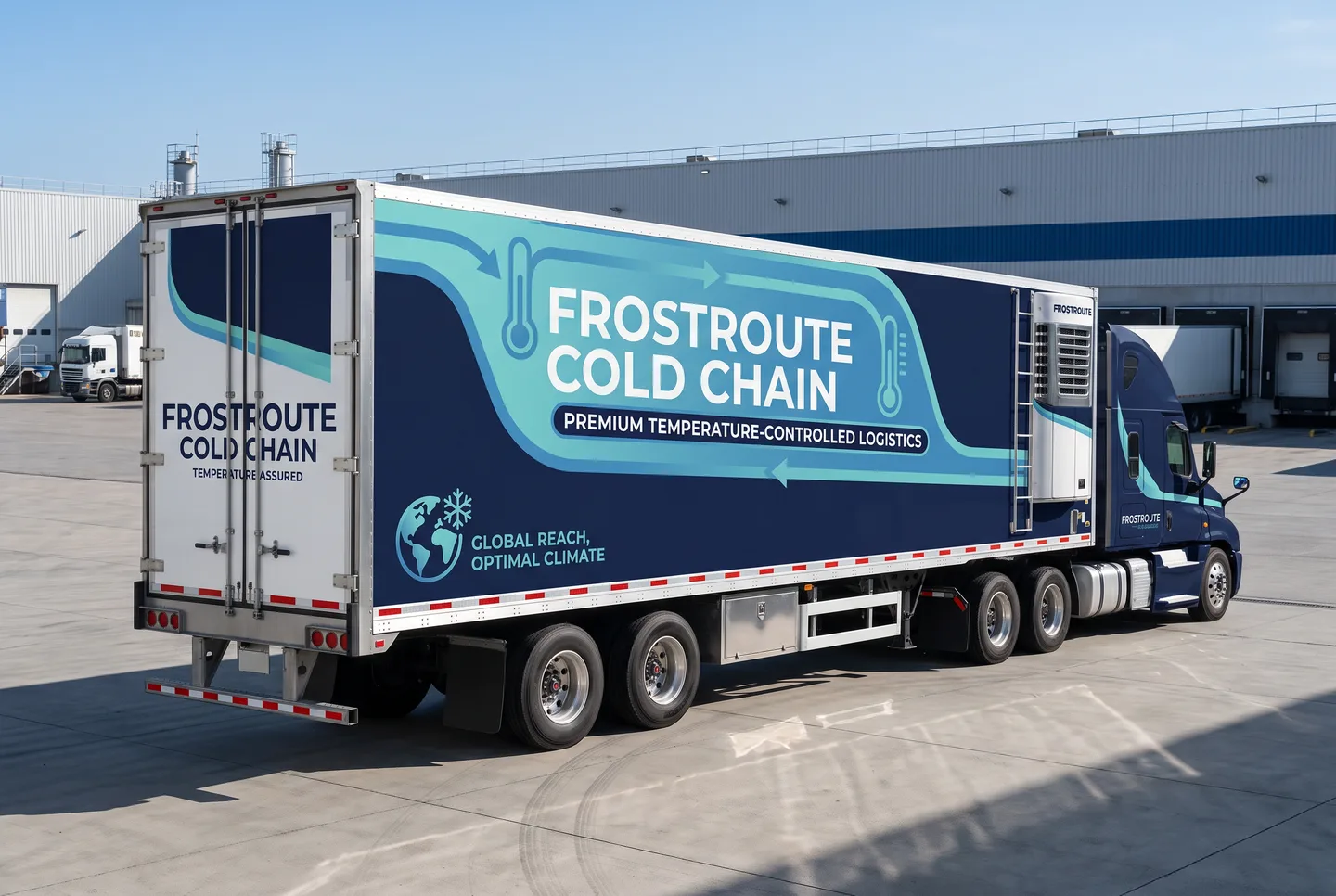
Reefer / Refrigerated Trailers
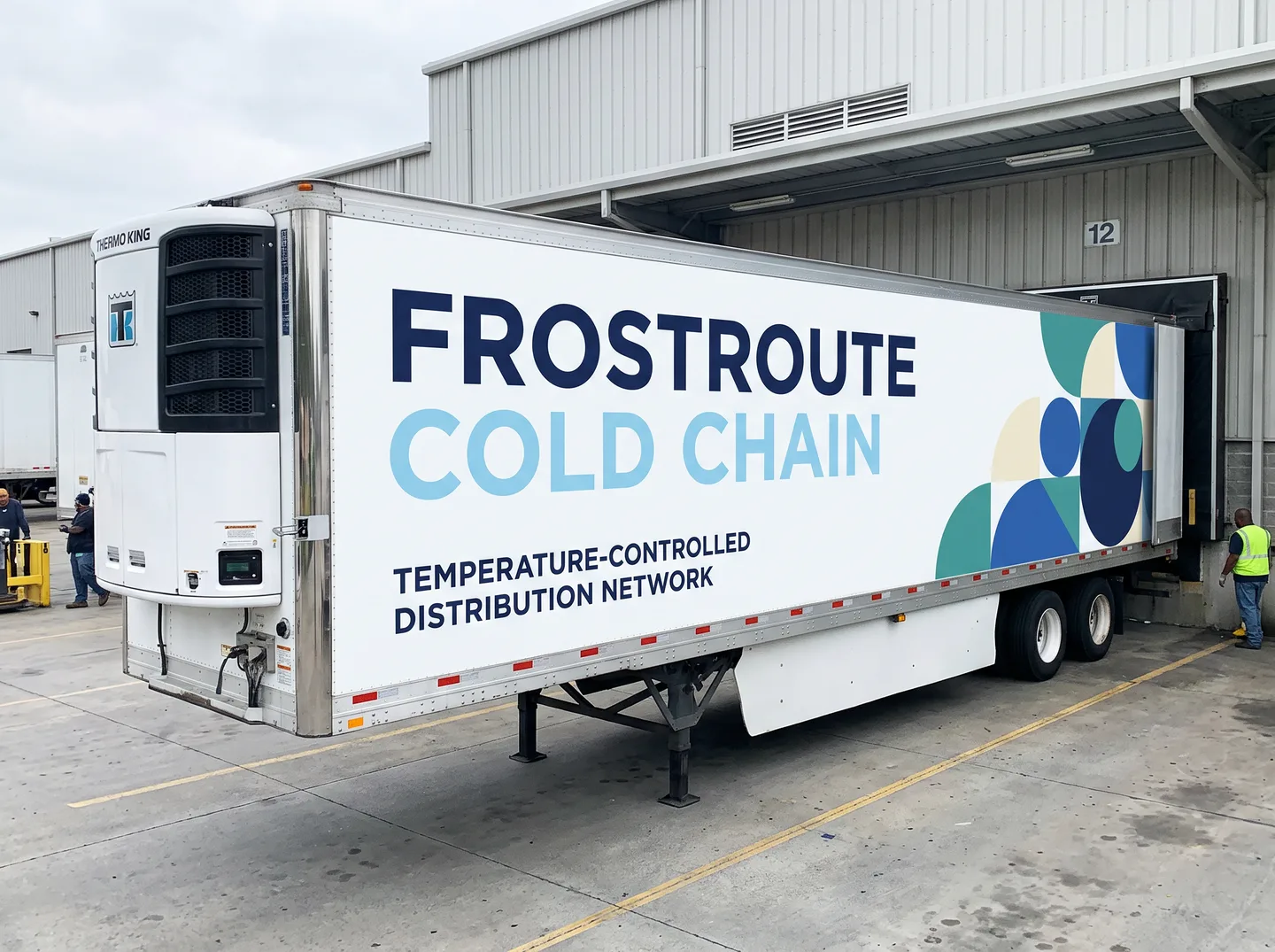
Refrigerated bodies used by food, beverage, grocery, and cold-chain operators.
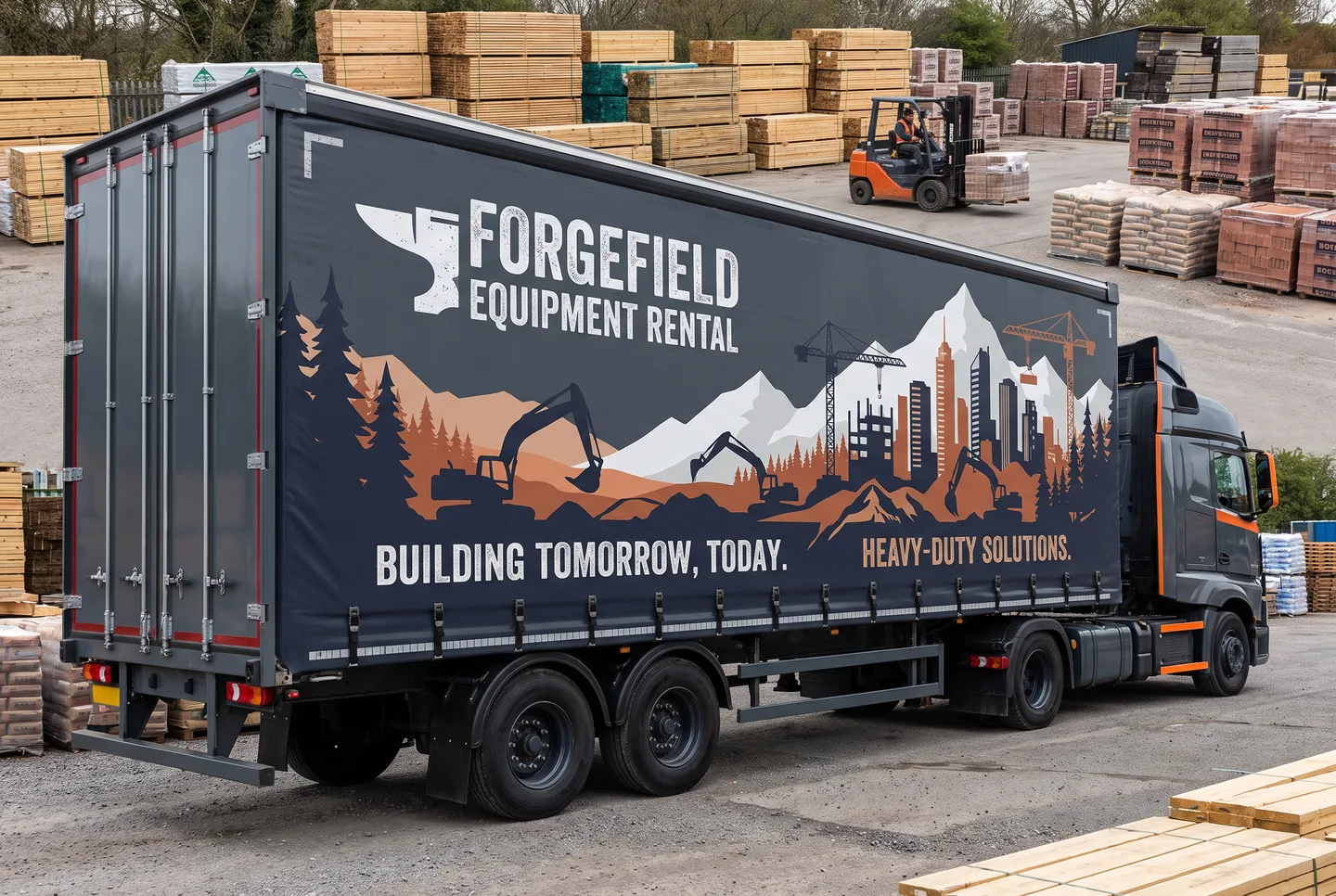
Flatbed Trailers — Side Curtains & Headboards
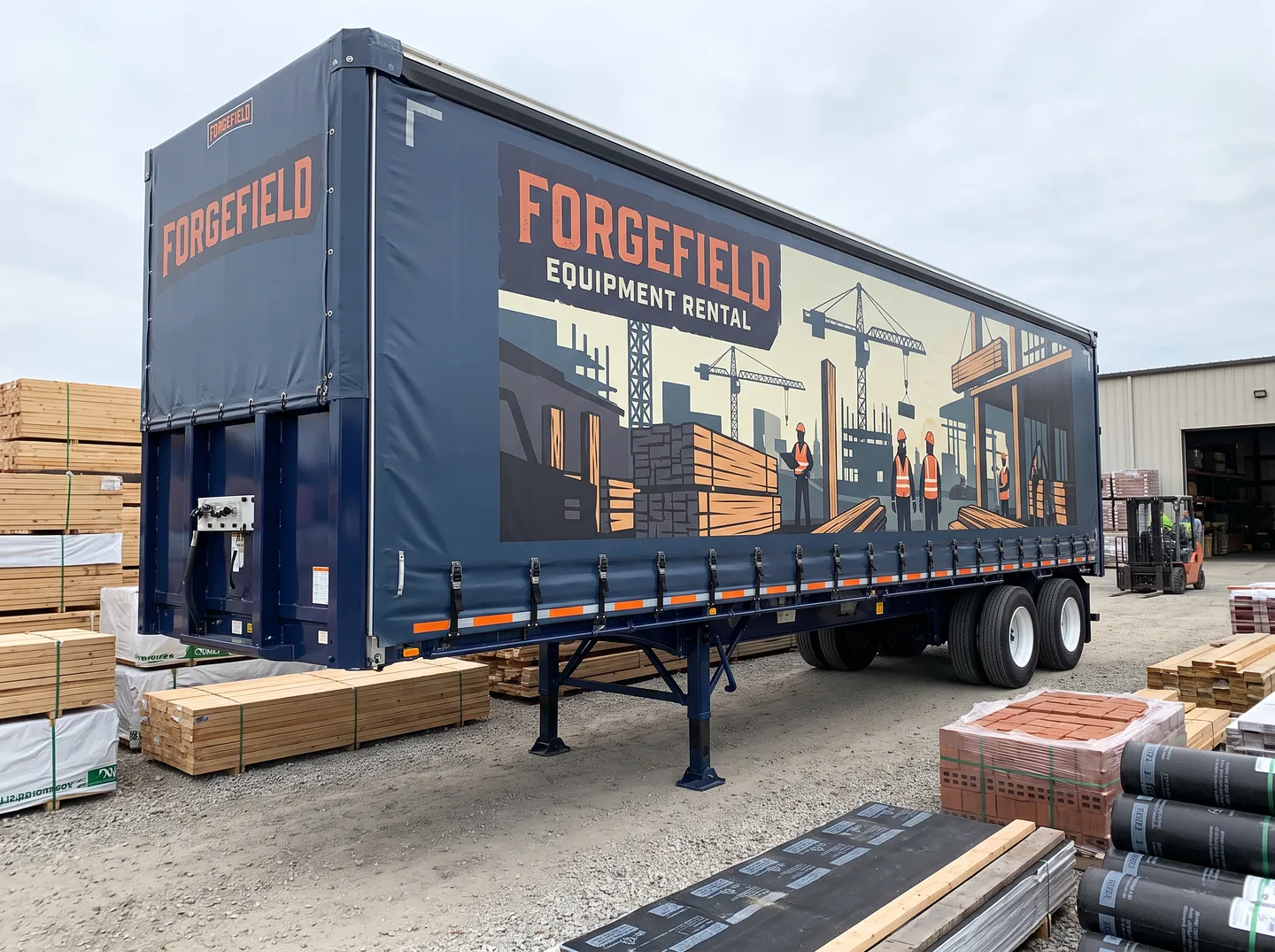
Curtain-side trailers (Conestoga, Donovan, side-curtain Roland) and traditional flatbeds with headboards and stake-pocket rails.
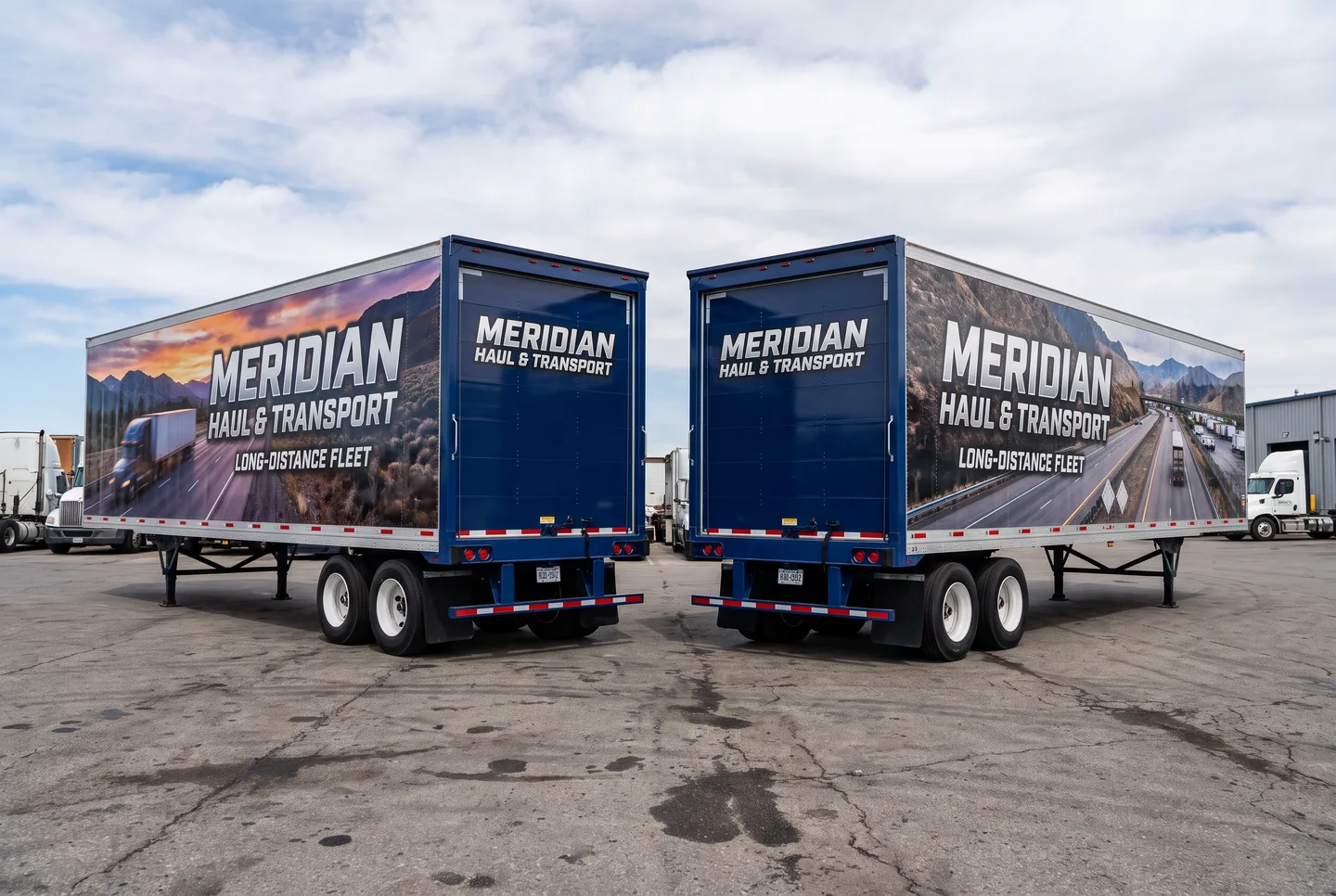
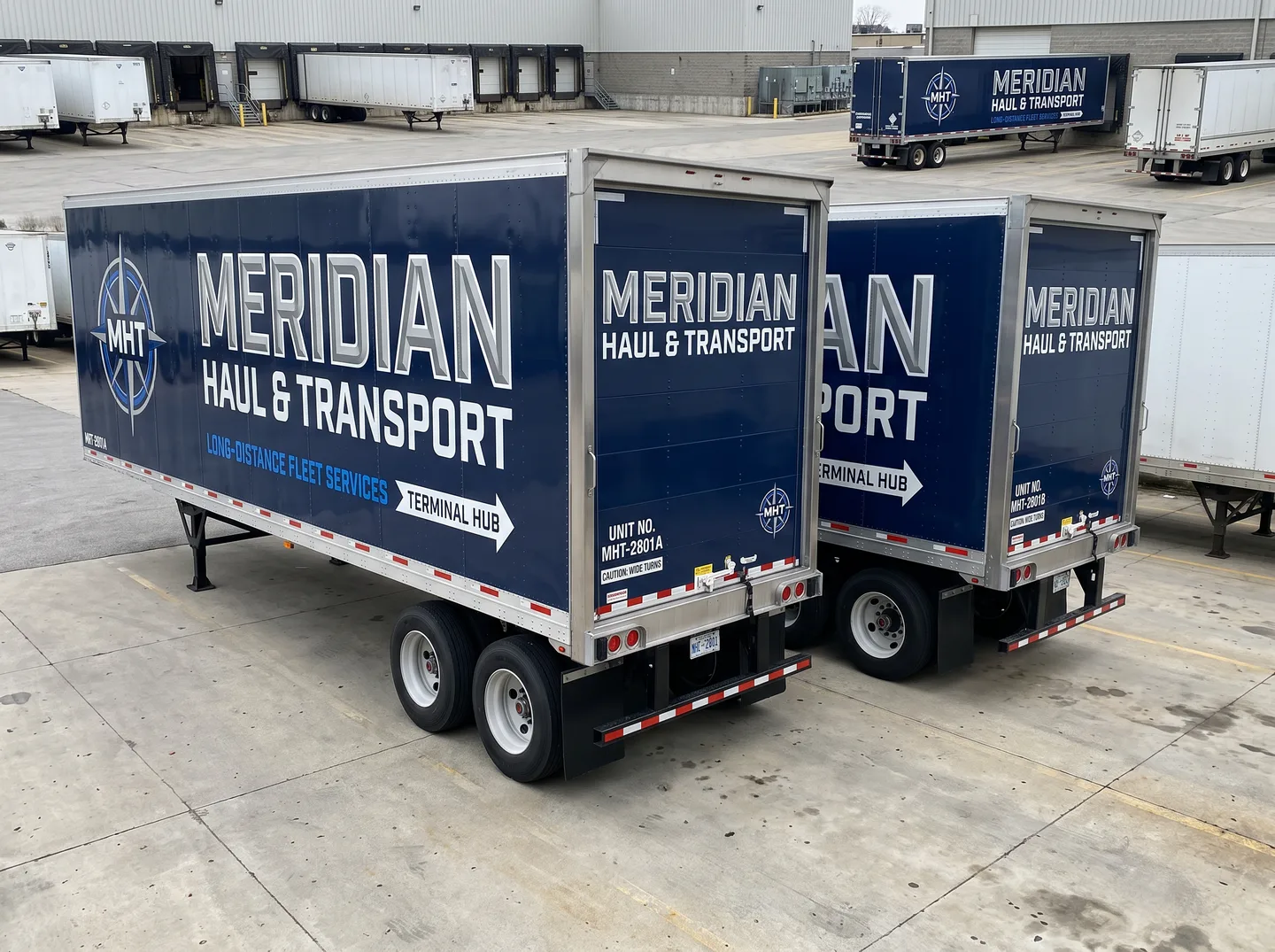
48ft & 28ft Pup Trailers
Regional and LTL equipment that may need matched graphics across sets.
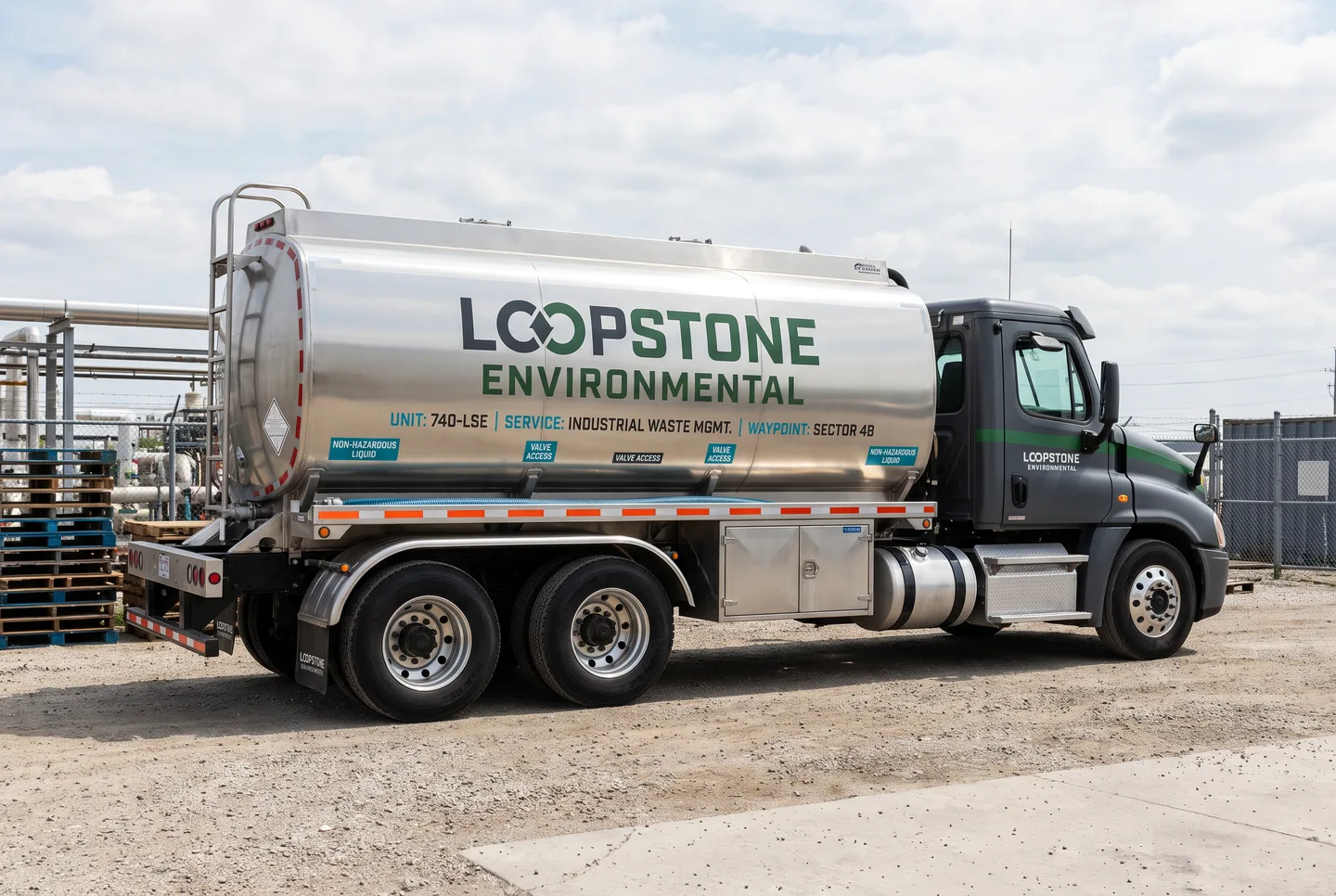
Tanker Trailers
Liquid and dry-bulk tankers — food-grade, chemical, fuel, and asphalt.
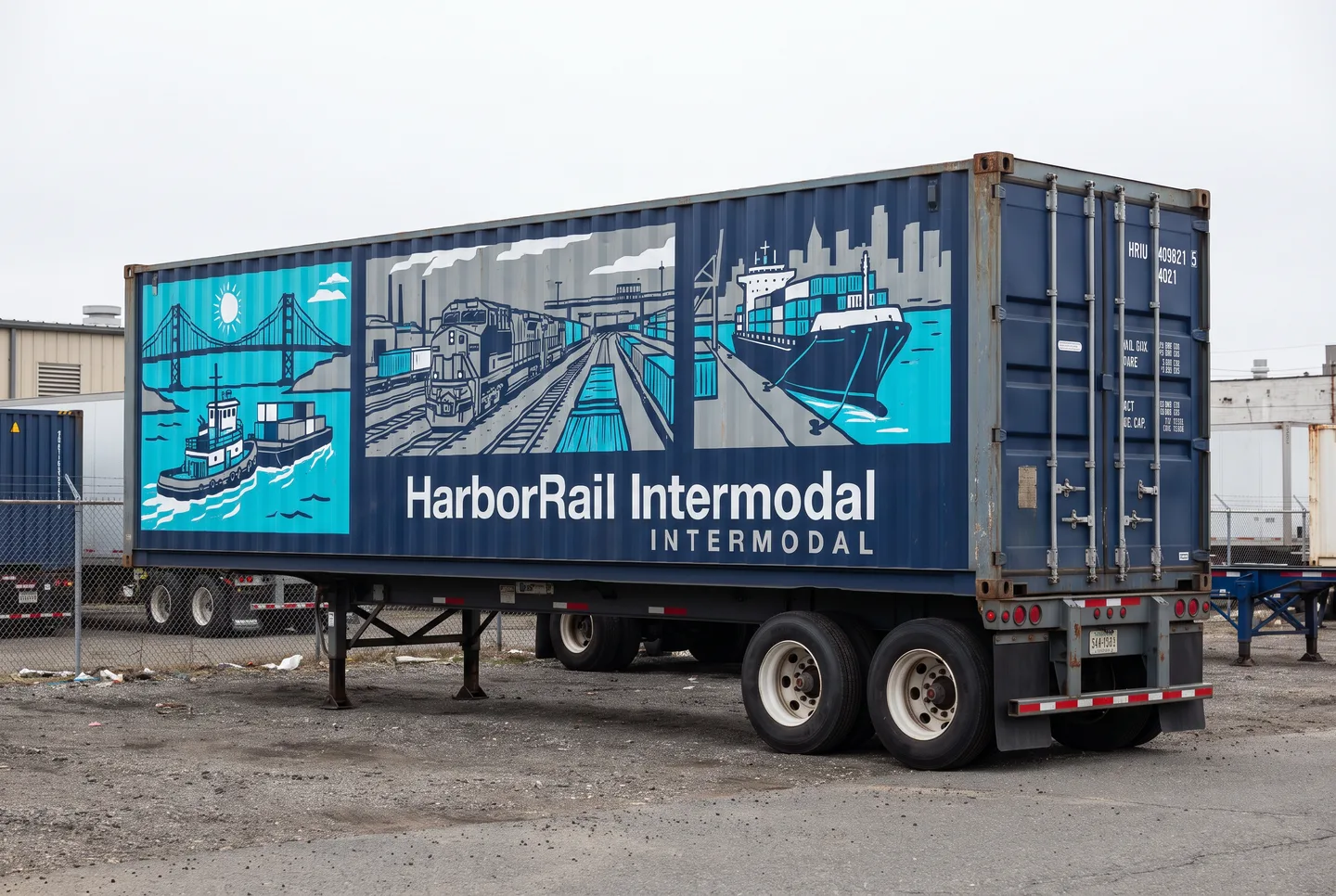
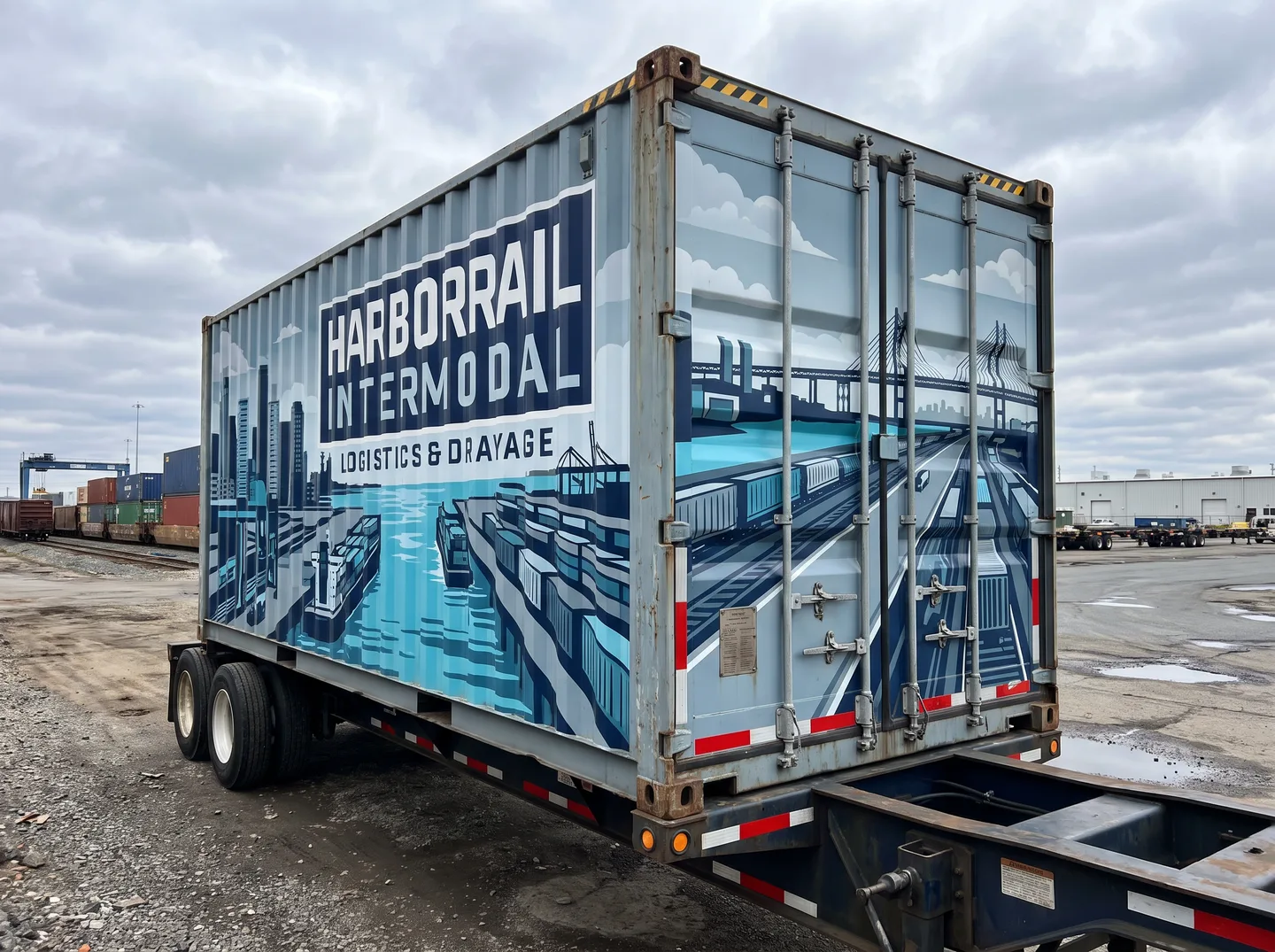
Intermodal Containers & Chassis
20ft and 40ft intermodal containers used in port drayage and rail-served distribution.
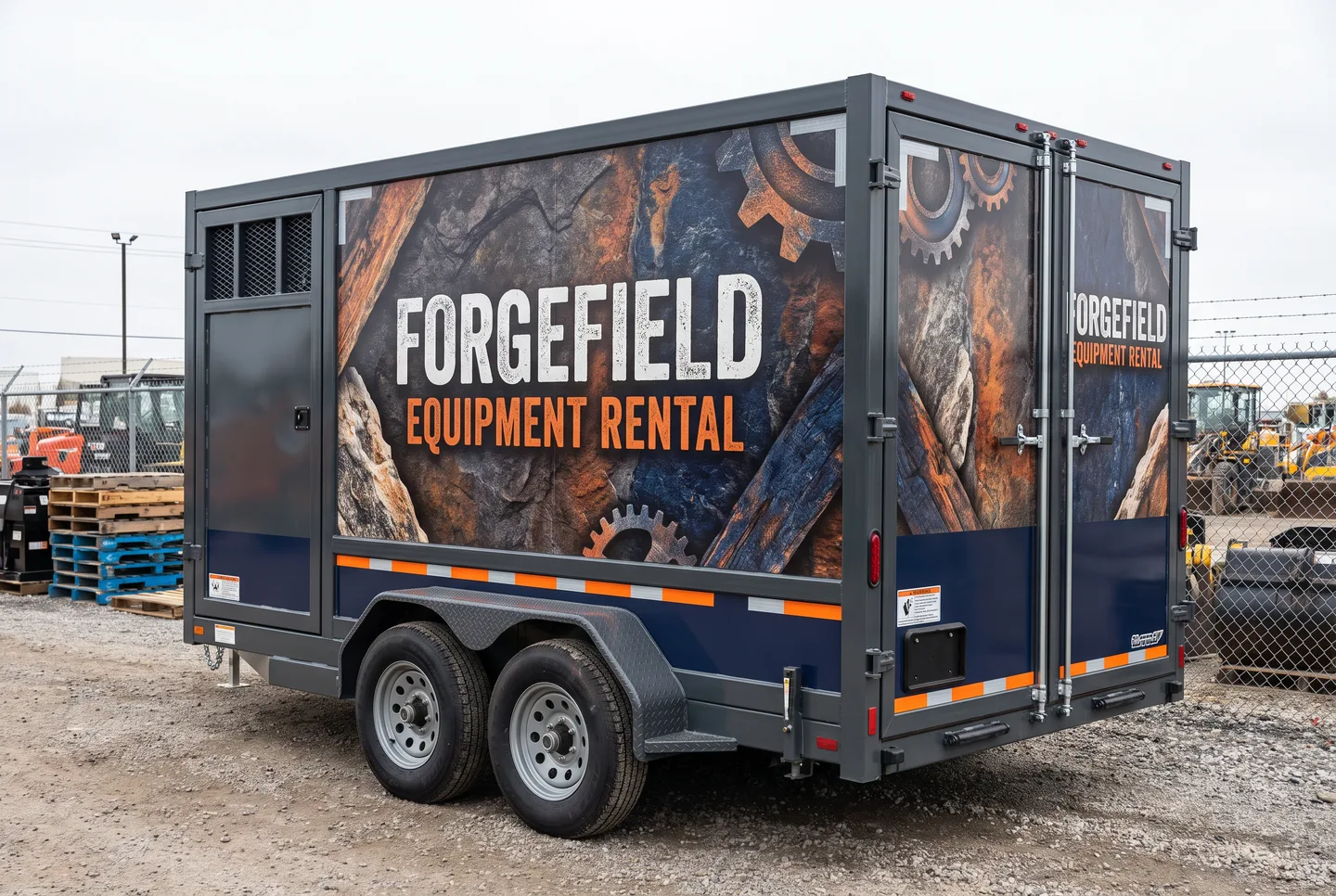
Livestock & Specialty Trailers
Livestock haulers, car carriers, dump trailers, and specialty single-purpose units.
What Determines the Cost of Wrapping a Trailer?
Length and coverage establish material scale, while body construction, height, corrugation, doors, rivets, equipment, reflective markings, surface condition, old graphics, artwork, quantity, access, and dispatch schedule shape the final quote.
| Trailer Type | Typical Use | High-Value Graphic Areas | Quote Considerations |
|---|---|---|---|
| 28 ft Pup Trailer | LTL and regional freight | Side walls and rear doors | Matched sets, doors, rivets, dispatch rotation |
| 48 ft Dry Van | Regional freight and distribution | Long side panels, rear, nose | Skin type, height, seams, existing livery |
| 53 ft Dry Van | Long-haul, parcel, LTL and 3PL | Both sides, rear doors, approved nose panels | Total area, corrugation, skirts, markings, access |
| 53 ft Reefer | Food, beverage and cold chain | Body sides and rear around equipment | Reefer access, vents, coating, operating conditions |
| Curtain-Side Trailer | Building supply, steel and lumber | Curtain system, headboard, compatible panels | Curtain material, vendor method, hardware, condition |
| Compatible Specialty Trailer | Bulk, utility or specialized operations | Approved stable surfaces | Geometry, cargo rules, placards, valves, coatings |
| 20 ft / 40 ft Intermodal | Port drayage and rail distribution | Compatible corrugated sides and ends | Container ownership, rotation, corrosion, profile depth |
For an accurate quote, send trailer count, length, height, body manufacturer and type when known, photos of every side, skin and door configuration, equipment, existing graphics, surface condition, ownership, coverage goals, artwork status, operating locations, and preferred intake window.
Choose Your Trailer Wrap Coverage
Why Fleets Choose Hawk Wraps for Trailer Graphics
Configuration Review
Length, height, skin, doors, rivets, equipment, reflective markings, placard zones, repairs, and coatings are documented before production.
Large-Panel File Control
Artwork is organized by unit and panel so long graphics, rear-door versions, and compatible body variations stay traceable.
In-House Production
Design, large-format printing, lamination, labeling, and installation are managed from our 10,000 sq ft Linden facility.
Dispatch-Aware Scheduling
Trailer availability, travel logistics, preparation, production, and installation are mapped into practical intake phases after scope review.
Customer-Approved Markings
Carrier identity, unit numbers, and supplied regulatory information can be incorporated while required clear zones remain visible.
Fleet Version Control
Approved layouts and production notes can be adapted across dry vans, reefers, pups, and other compatible configurations.
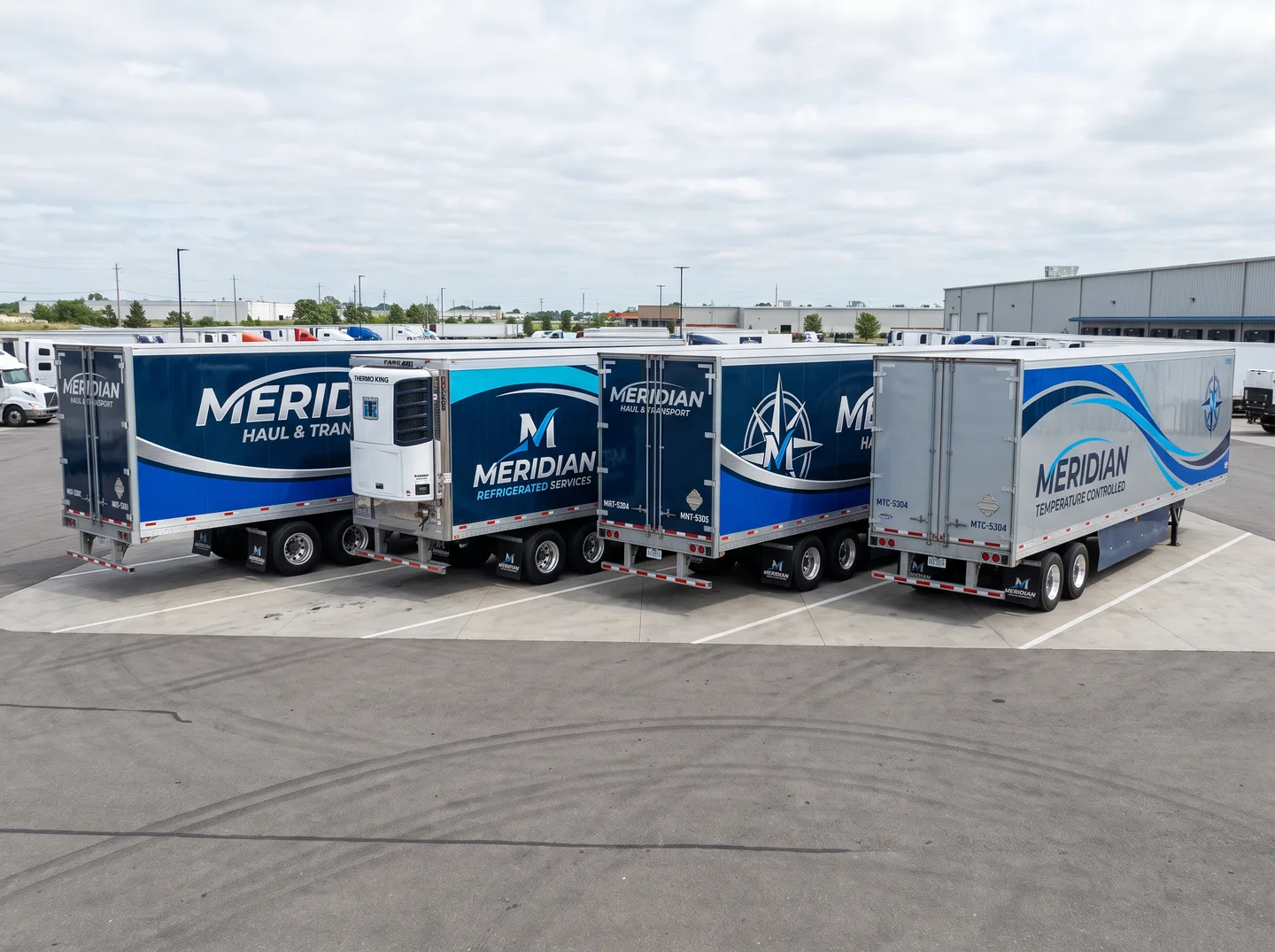
Trailer Wrap Concepts by Body and Use Case
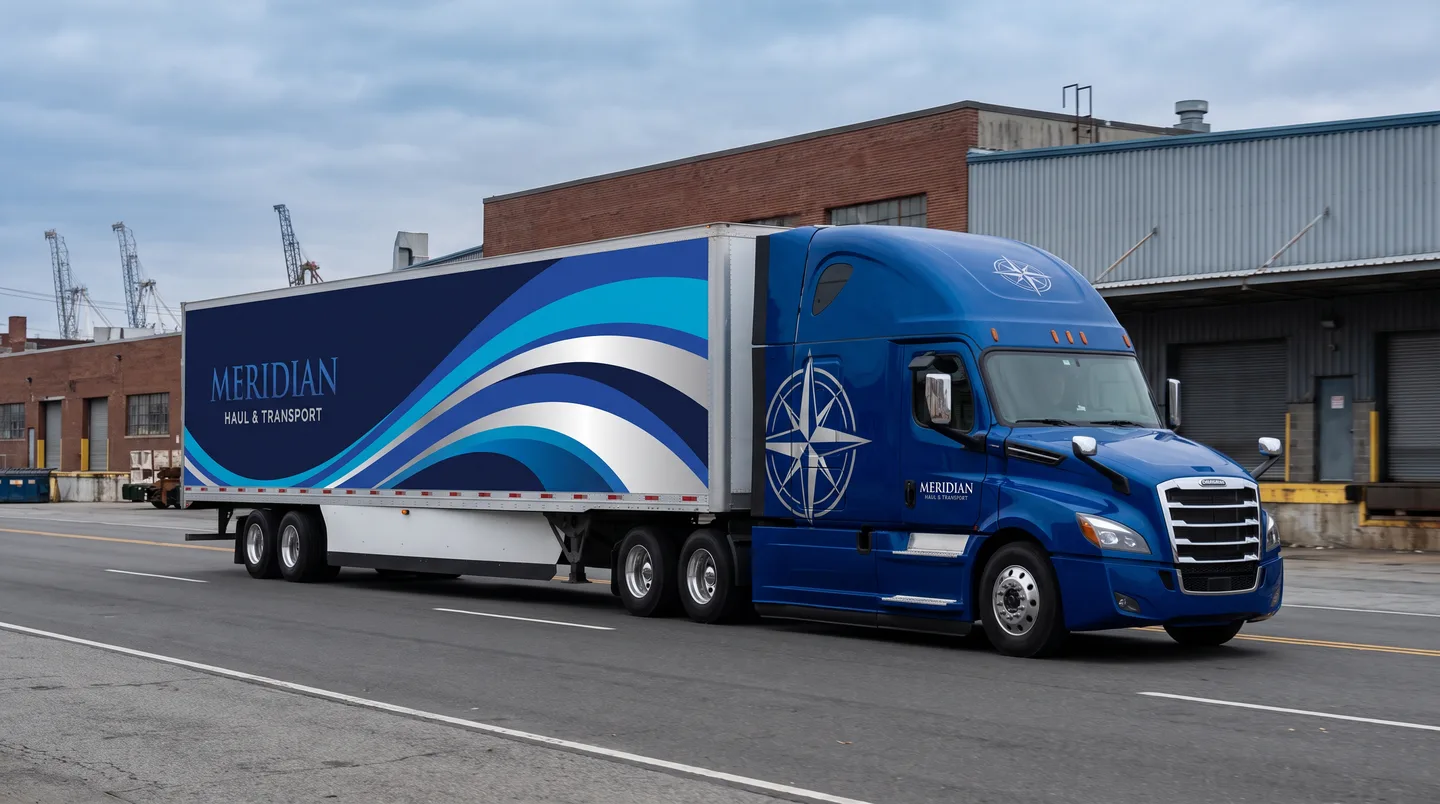
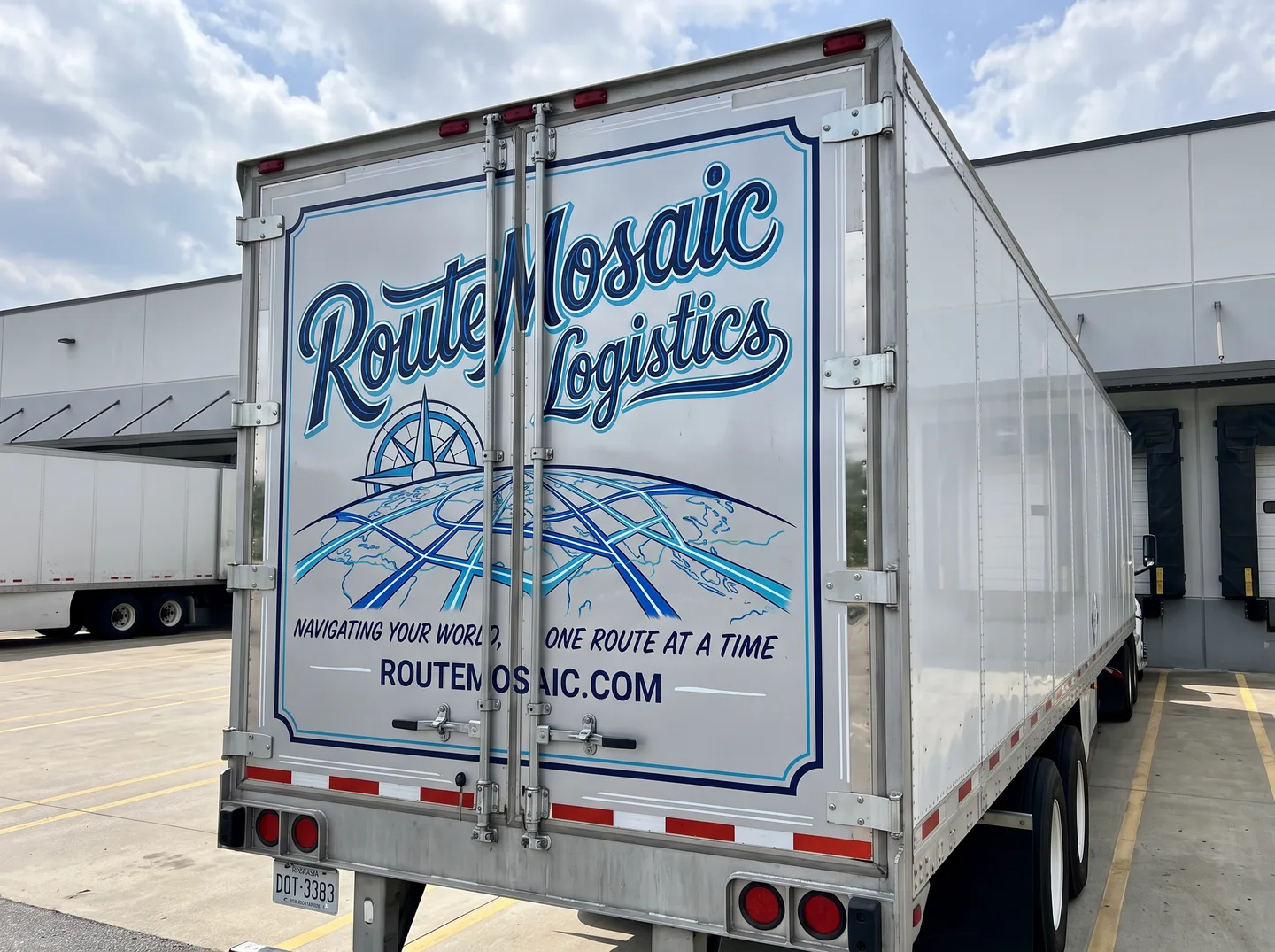
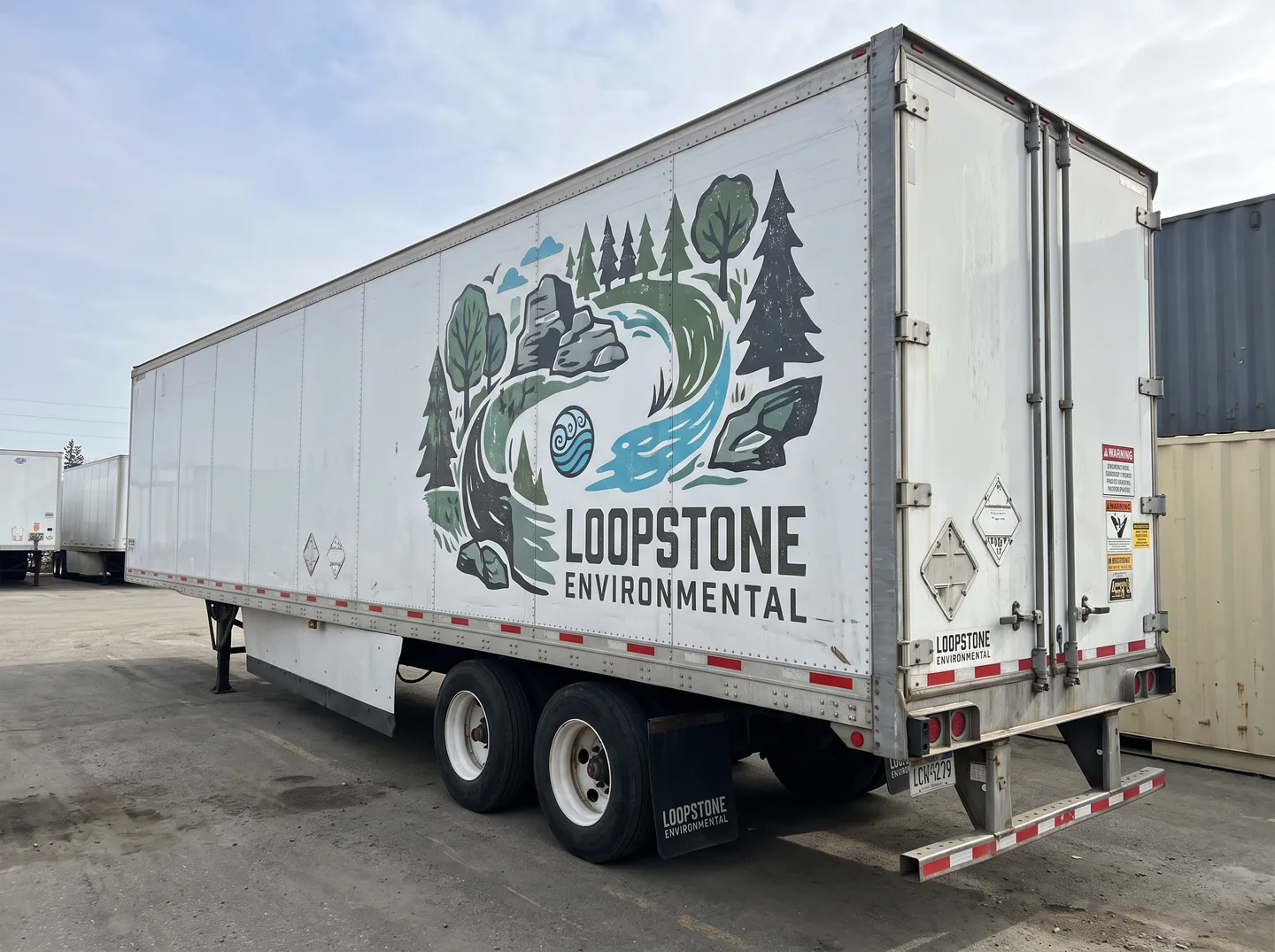
Compare approaches for long dry-van sides, reefer bodies, rear doors, curtain systems, fleet rollouts, and installation details. Final artwork is built around the actual unit.
Industries We Wrap Trailers For
Trailer wraps look different depending on what the trailer hauls and where it runs. Below is how we match coverage and design to each common industry use case.
| Industry | Typical Trailer | Wrap Purpose |
|---|---|---|
| Long-haul freight / LTL | 53ft dry van | Carrier branding + USDOT lettering across coast-to-coast lanes |
| Regional LTL doubles | 28ft pup trailer (paired) | Matched livery across paired pups, regional brand presence |
| Food & beverage distribution | 53ft reefer | Product photography, retail-grade graphics, FDA-conscious print |
| E-commerce 3PL / parcel | 53ft dry van | Brand consistency across leased + owned fleet, peak-season rebrand |
| Beverage delivery (beer, soda) | Flatbed curtain side | Full curtain print with bay-door product imagery |
| Building supply / lumber | Flatbed with headboard | Headboard branding + side curtain product callouts |
| Steel & heavy haul | Flatbed with stake pockets | Headboard wrap + carrier lettering |
| Pharma cold chain | 53ft reefer | Brand presence + regulatory ID + chain-of-custody graphics |
| Port drayage | 20ft / 40ft intermodal | Drayage company branding, rotational schedule |
| Energy services / oilfield | Tanker, flatbed | Hazmat-compliant lettering + service-brand graphics |
From Trailer Roster to Installed Fleet Graphics
From the first call to the trailer rolling out of our bay, here's how a typical trailer wrap project moves through our shop.
Roster & Configuration Review
Share trailer count, body type, length, height, doors, equipment, ownership, photos, surface condition, current livery, operating locations, and dispatch constraints.
Measurement, Design & Approval
Templates, verified measurements, and reference photos guide the layout. Graphics are planned around seams, doors, equipment, markings, placards, and useful sightlines for written approval.
Print & Panel Organization
Approved files are produced on the selected film system, laminated when specified, cut, labeled by trailer and panel, and checked against the approved proof.
Preparation, Installation & Review
The trailer is inspected, cleaned, prepared, installed by approved surface, and reviewed before release. Timing is confirmed after scope, condition, and intake planning.
Build Recognition Across Routes, Yards and Delivery Points
Trailers create broad, repeated brand surfaces wherever they travel, park, load, and unload. Actual exposure depends on routes, mileage, traffic, dwell time, viewing distance, creative quality, and fleet size, so performance should be tracked rather than assumed.
Trailer Wrap Frequently Asked Questions
How much does it cost to wrap a 53 foot trailer?
How long does it take to wrap a semi trailer?
How long do trailer wraps last?
Do I need a wrap or just USDOT lettering on my trailer?
Can you wrap a reefer trailer without affecting the refrigeration unit?
How much advertising value does a wrapped trailer deliver per year?
Can you wrap a leased trailer?
What's the difference between a partial wrap and a full wrap on a trailer?
Do you handle fleet rebrands of 20, 30, or 50 trailers?
What if my trailer is corrugated, not smooth-skin?
Will a wrap damage the trailer when it's removed?
Do you service trailers based outside NJ and NYC?
Trailer Wrap Service Area
Our Linden, NJ facility serves trailer operators across New Jersey, New York City and surrounding New York markets, Connecticut, and Pennsylvania. Intake planning depends on trailer dimensions, condition, quantity, travel logistics, and current production capacity.
Cities We Serve
Trailer Wrap Reviews
Recent feedback from Hawk Wraps clients across New Jersey, New York, and Connecticut.
We wrapped our enclosed trailer for trade shows and corporate events throughout the Northeast. Tito understood that this trailer would represent our brand at every venue, so the finish had to be perfect. The graphics lined up beautifully across the panels, and the colors look incredible in person. It definitely attracts attention wherever we park.
Our equipment trailer was looking worn out after years on the road. Luis recommended a full wrap instead of repainting, and it completely changed the appearance. Customers now recognize our trailer before they even see our crews working. We've received compliments from other contractors asking where it was done.
We wanted our jobsite trailer to promote the company while storing equipment. Gabby coordinated the artwork approvals and kept us informed through every stage. The installation quality exceeded expectations, especially around the doors and hardware where I expected problems. Everything came out clean and professional.
Our promotional trailer travels across New York and New Jersey for product launches, so appearance is everything. Alex made sure every graphic matched our brand guidelines exactly. The finished trailer photographs beautifully at events and has become a major part of our marketing setup.
We added graphics to our enclosed trailer so it matched the rest of our fleet. The team recreated the branding perfectly and even improved the layout for better visibility on the road. Tito kept everything on schedule, and the finished trailer looks like it was built that way from the factory.
Request a Trailer Wrap Quote
Send the trailer roster, configurations, photos, surface condition, coverage goals, artwork status, operating locations, ownership, and preferred intake window for a project-specific review.