
Stamford, CT
Fairfield County
View local page →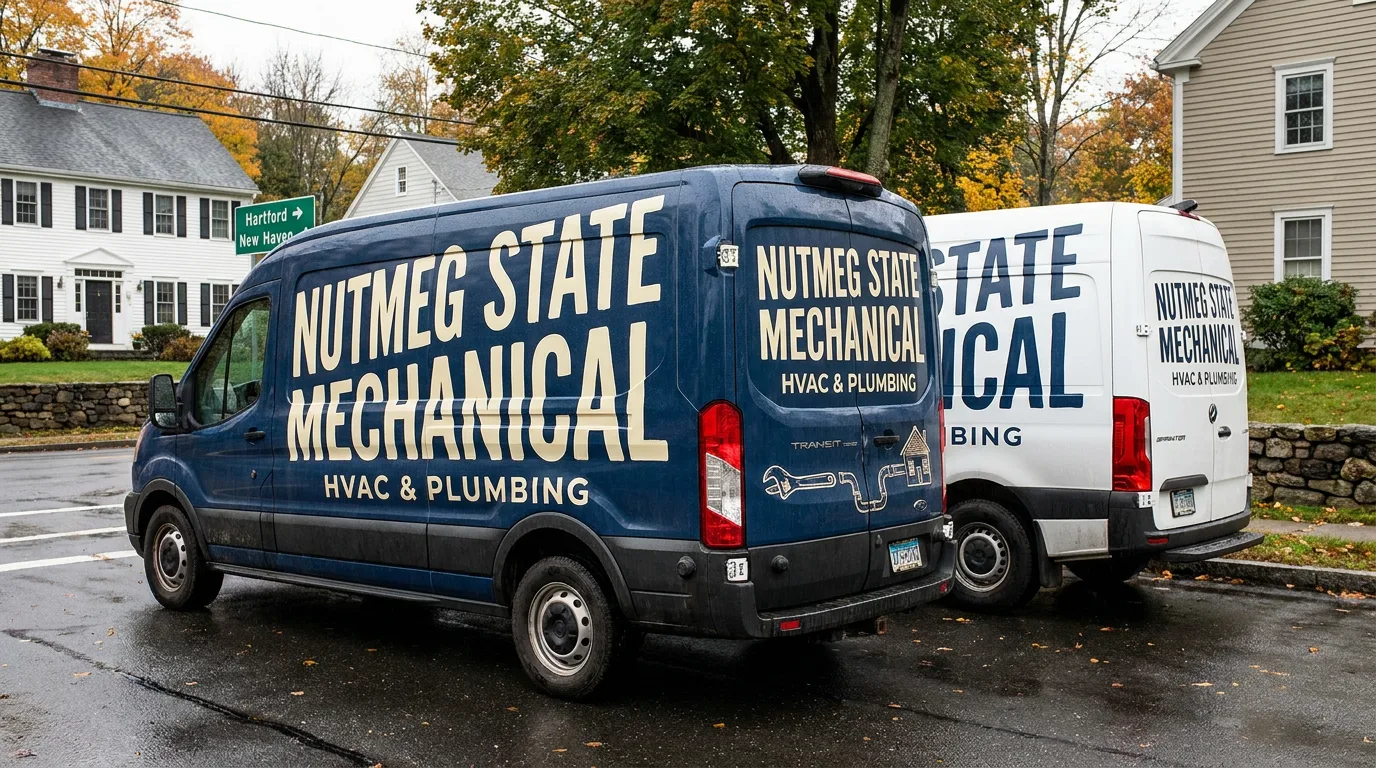
Commercial wraps, fleet graphics, van and truck branding, and vehicle lettering planned for regional service territories, commuter markets, institutional campuses, waterfront businesses, and suburban commercial routes.
Connecticut businesses often cover several towns from one operating base. Fleet graphics should remain consistent across long routes while keeping phone, web, service, and identification details easy to understand during brief roadside views.
Hawk Wraps plans commercial graphics around the vehicle and operating reality. That means choosing the right coverage, preserving a clear reading order, adapting the design across different body styles, and agreeing on production details before the vehicle is scheduled.
The default process is shop installation, where cleaning, preparation, alignment, finishing, and inspection can happen in controlled conditions. On-site work may be considered for a qualifying fleet project after the environment and logistics are reviewed, but it is not the routine path.
Choose the closest market page for local industry context, common vehicle types, nearby coverage, and project-planning guidance.
Different audiences and operating environments call for different visual languages. The common thread is a fast, legible message and a documented system that can grow with the fleet.
Graphics for service calls, maintenance routes, and emergency-response vehicles.
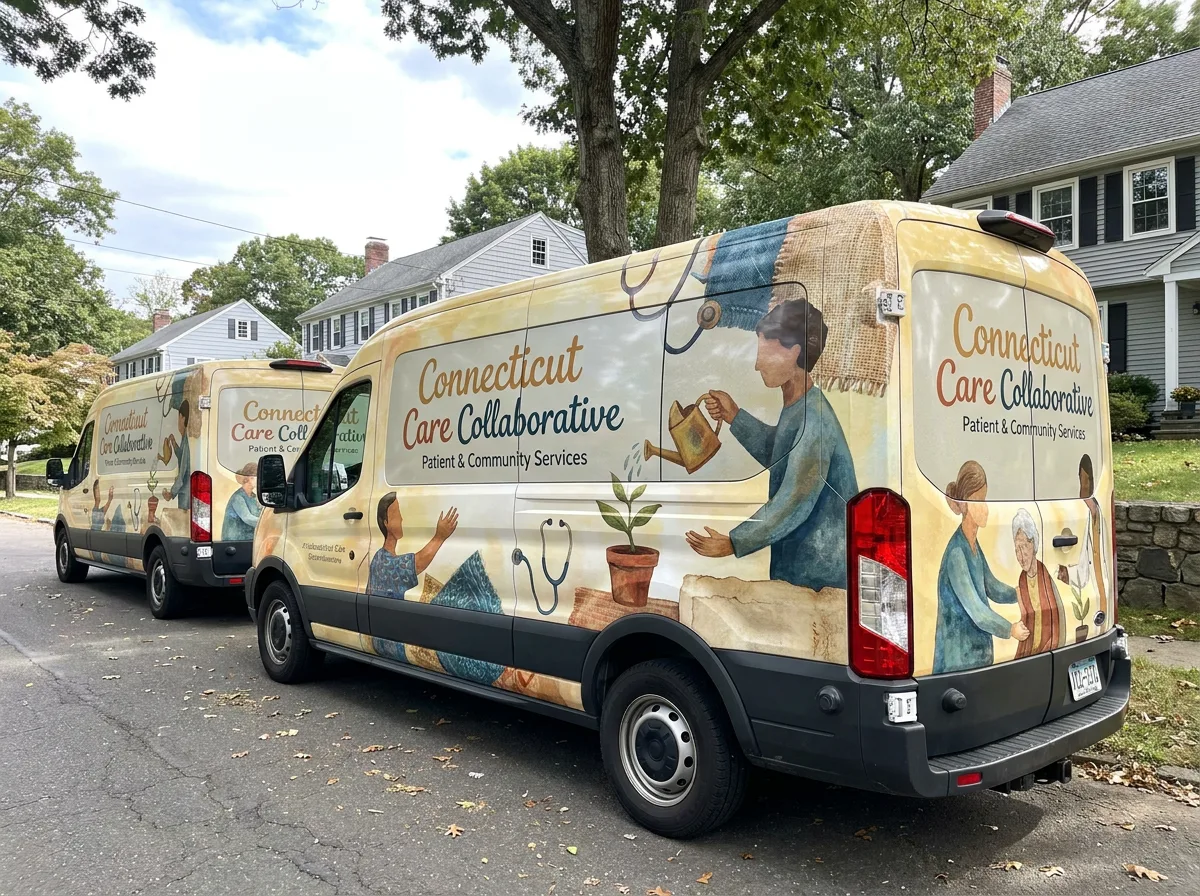
Graphics for patient-facing transport, outreach, mobile care, and facility support.
Graphics for maintenance, inspections, leasing support, and multi-site operations.
Graphics for campus transport, program outreach, facilities, and activity travel.
Graphics for marina service, marine trades, supplies, recreation, and waterfront hospitality.
Graphics for client visits, inspections, consulting, sales, and document services.
Vehicle details, photos, quantity, existing graphics, required wording, coverage ideas, and target timing.
Confirm condition, templates, hardware, material approach, production needs, and installation assumptions.
Develop the hierarchy and creative direction, adapt it by vehicle, and approve the proof before printing.
Print, finish, prepare, install, inspect, and document the approved graphics on the scheduled vehicle.
Tell us what you drive, how many vehicles are involved, what the graphics need to communicate, and when the fleet is available.