Restaurant Delivery & Catering
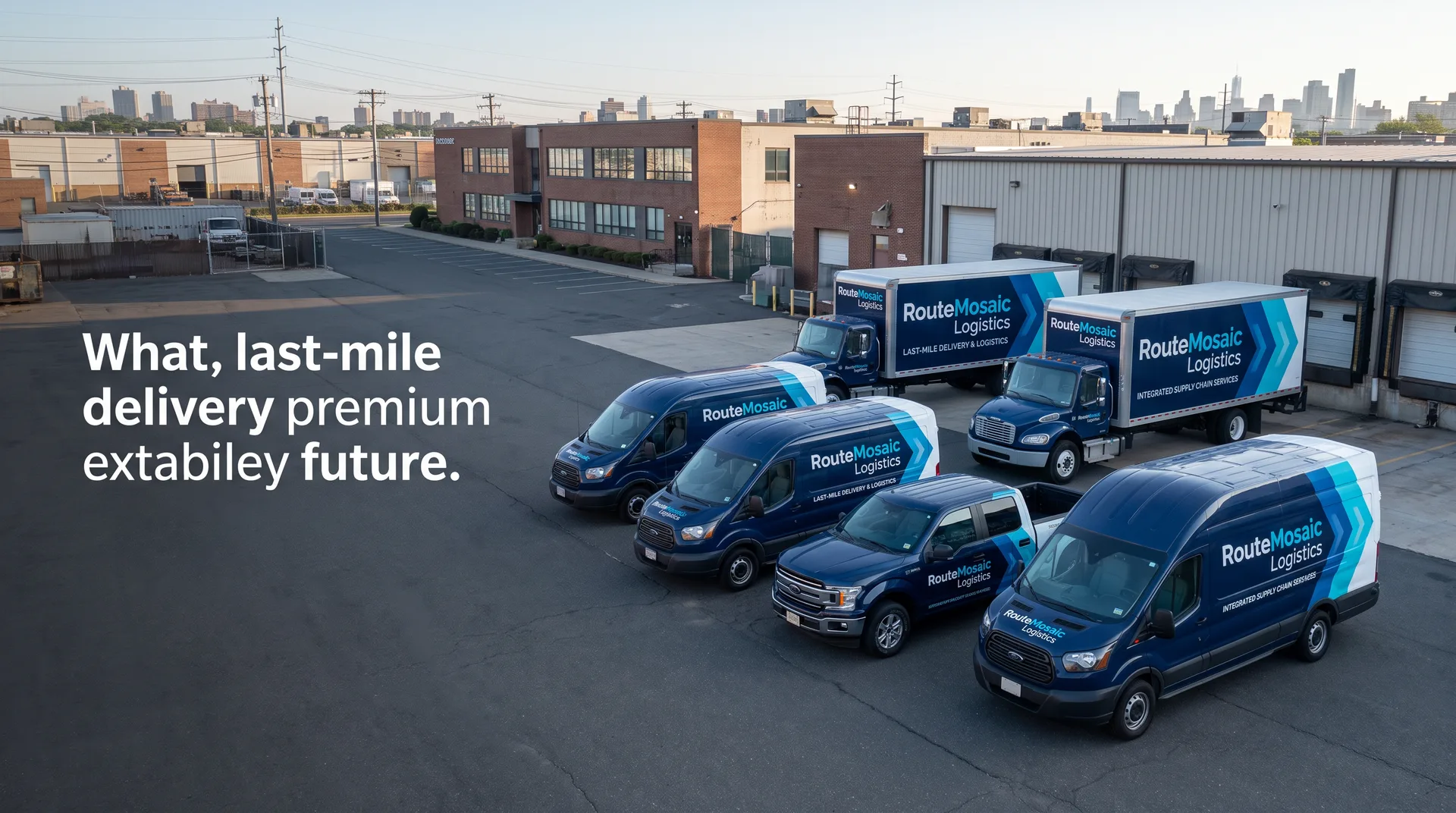
Make the brand and ordering path readable on cargo vans, compact vehicles, box trucks, and mixed local fleets.
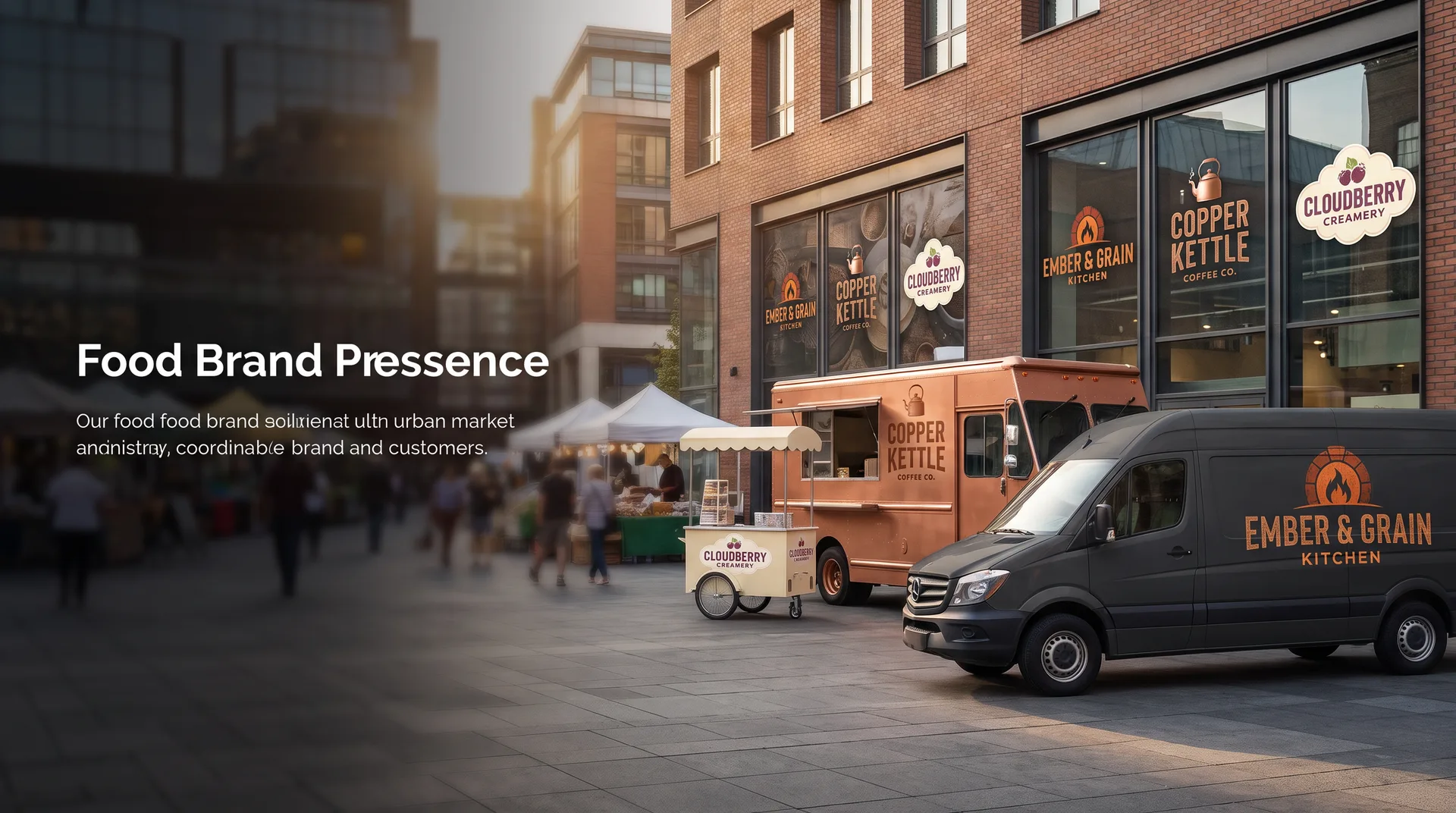
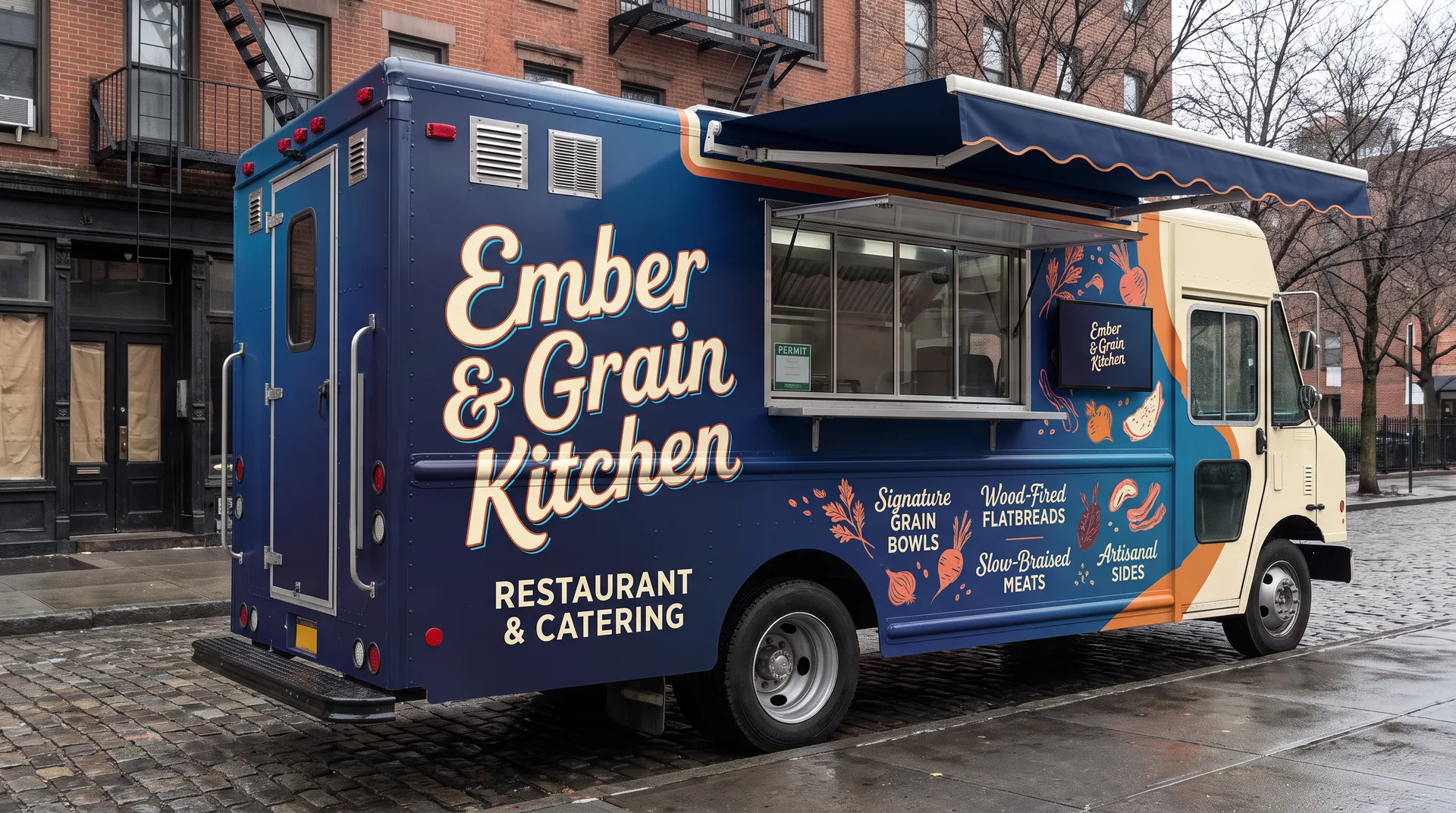
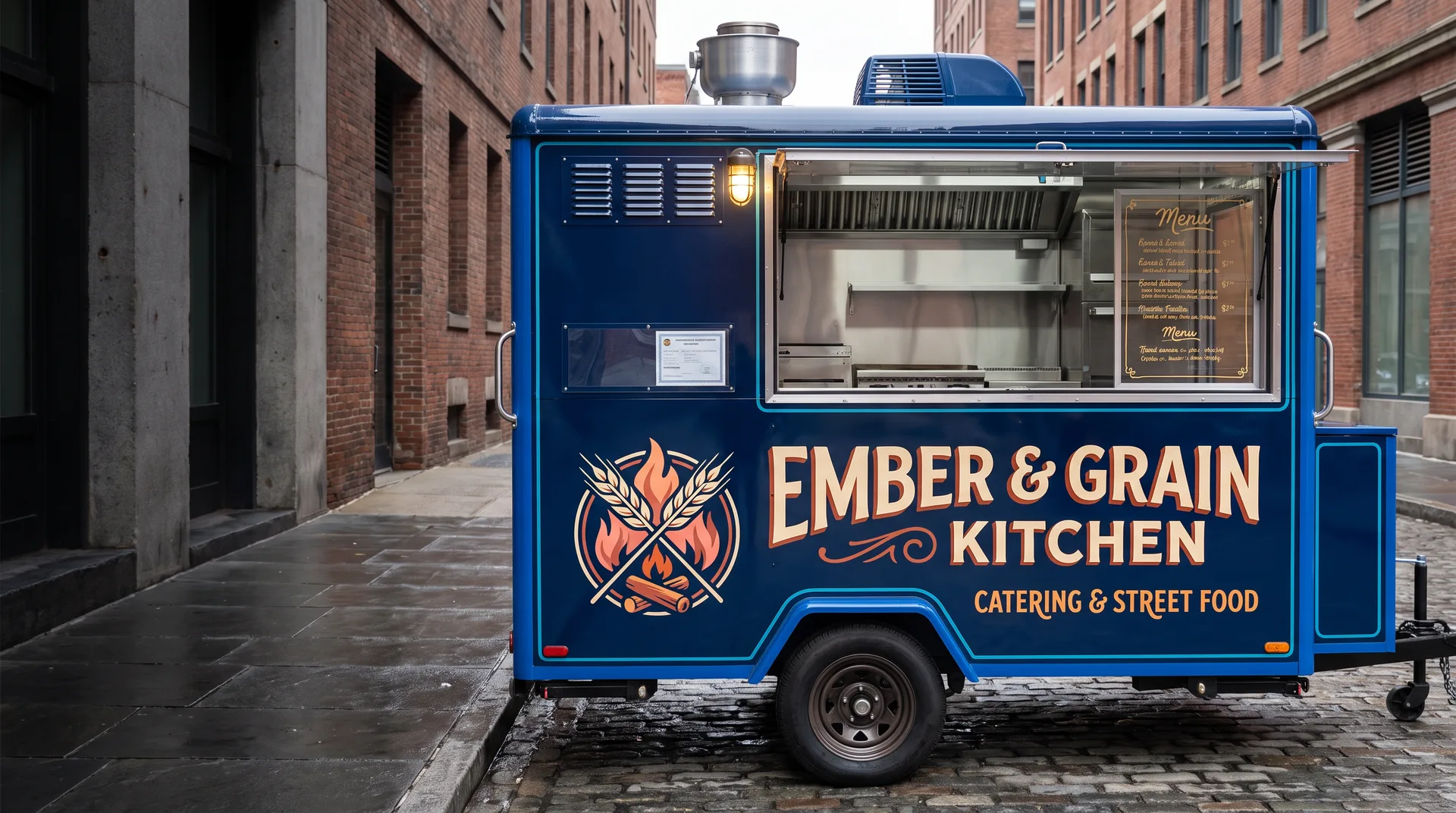
Connect restaurant vehicles, catering fleets, food trucks, carts, refrigerated distribution, storefront windows, and branded interiors with one visual system—adapted to how each surface is seen and used.
A delivery van has seconds to communicate at street speed. A food truck must support ordering at close range. A storefront window balances identity, promotion, daylight, and sightlines. An interior wall can slow the story down.
The strongest food and beverage systems keep the same recognizable ingredients—color, imagery, voice, and visual rhythm—while changing the message hierarchy for each customer moment.
We plan the application around the actual vehicle or surface, its operating environment, and what must stay accessible or visible. Final menu text, prices, claims, permits, required identifiers, and property approvals remain subject to owner review.
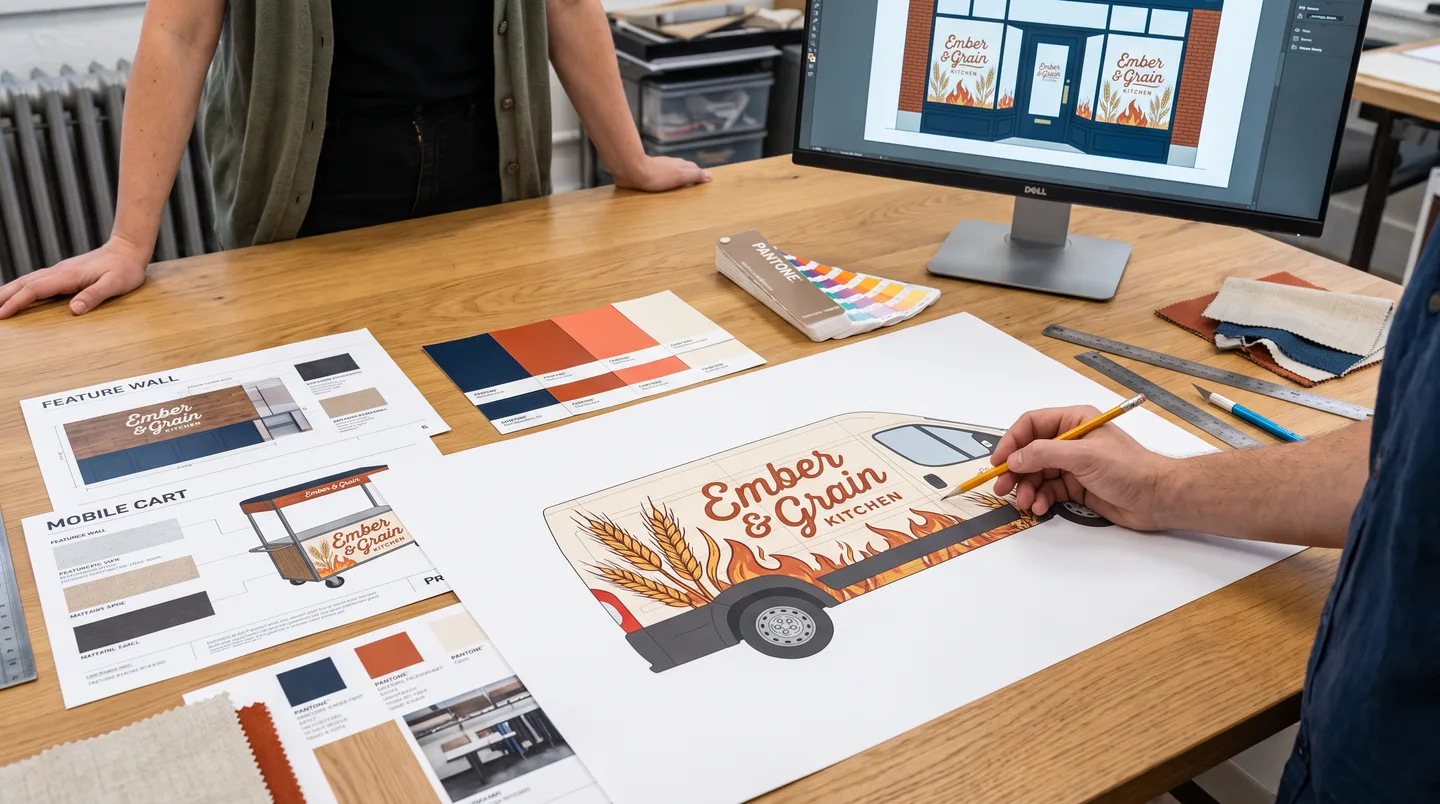
Choose one application or connect several into a consistent launch, expansion, or rebrand.
Make the brand and ordering path readable on cargo vans, compact vehicles, box trucks, and mixed local fleets.
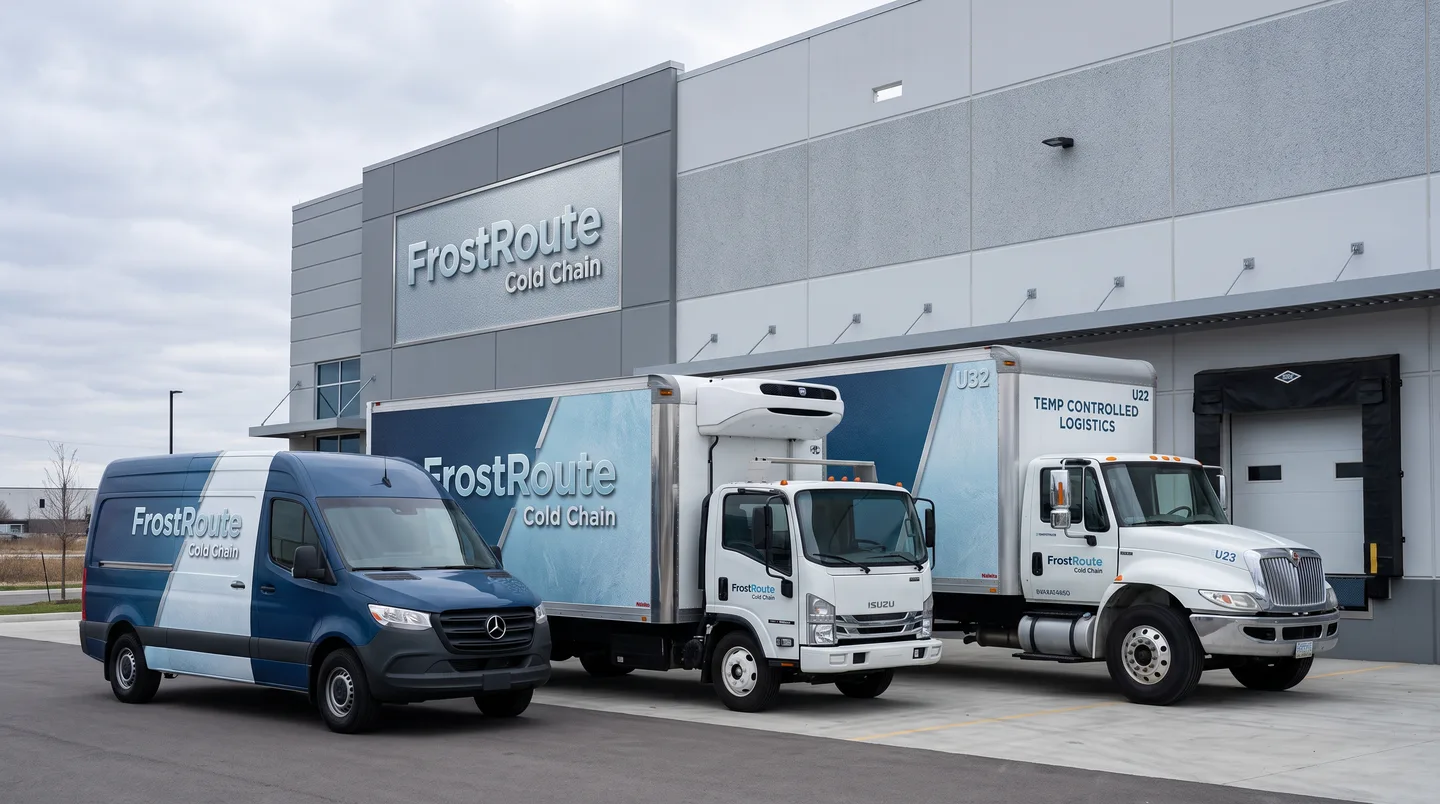
Organize repeatable graphics for sales vehicles, refrigerated units, delivery trucks, trailers, and fleet identifiers.
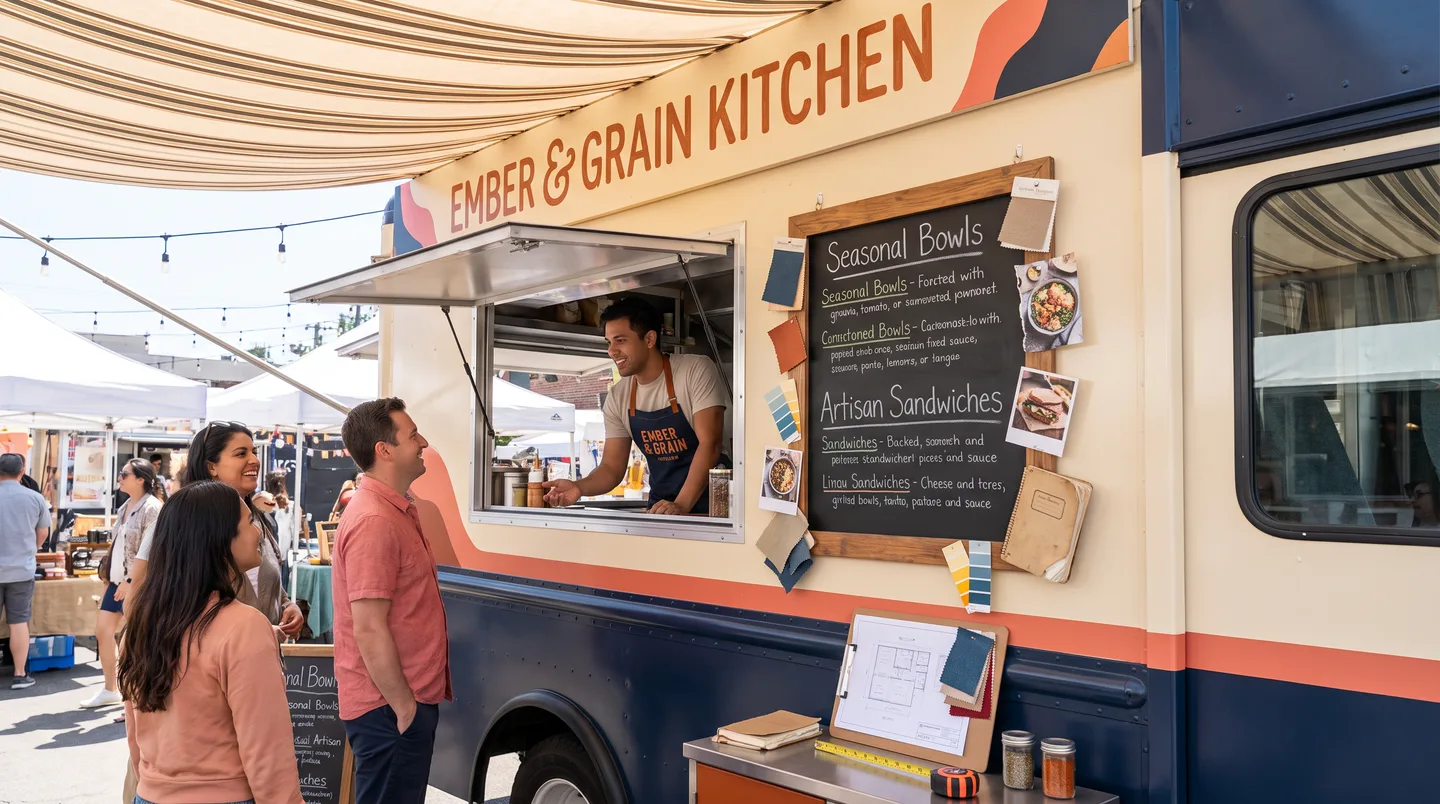
Build recognition around the service window while protecting access panels, equipment openings, and operating information.
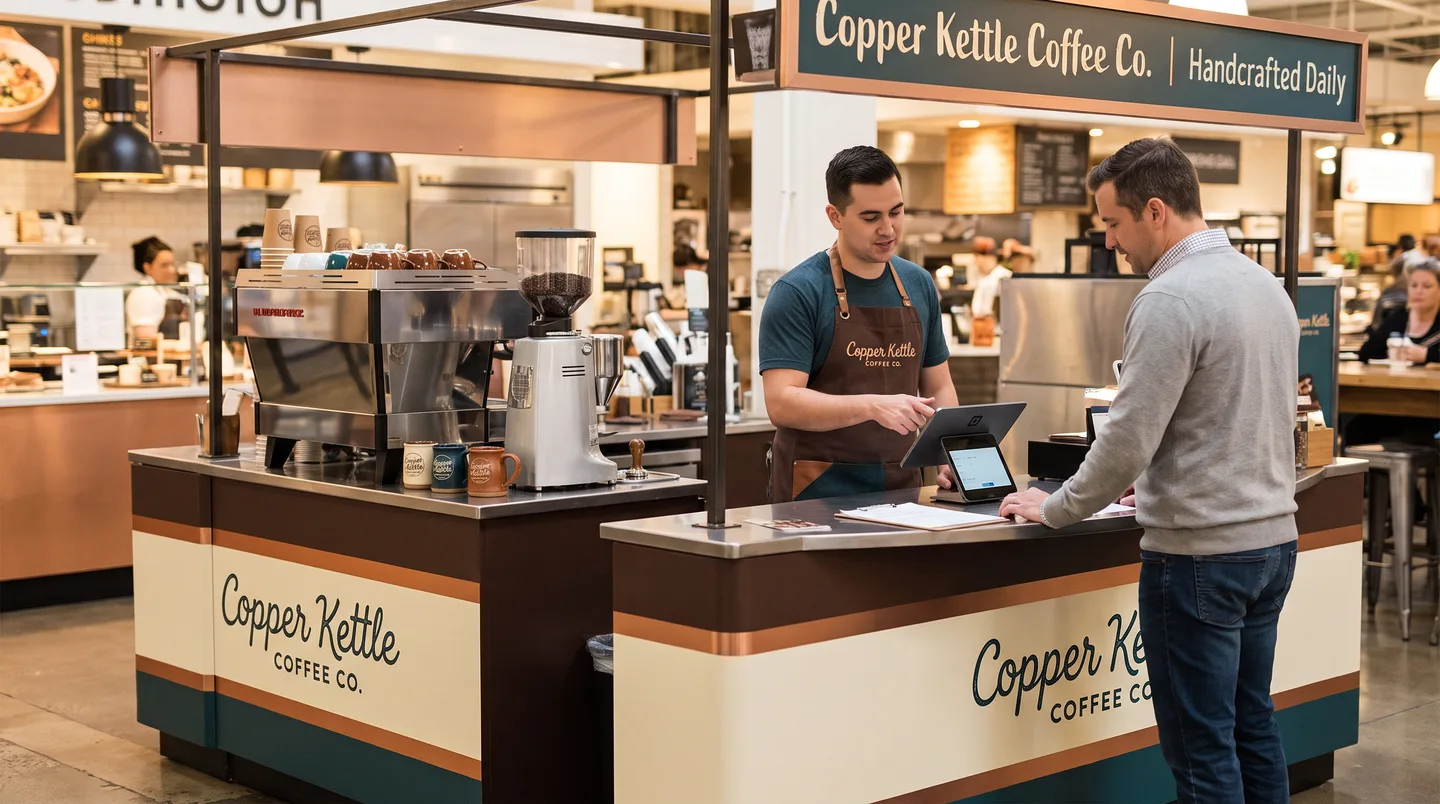
Scale the identity to compact surfaces that customers see from the queue, counter, aisle, or event floor.
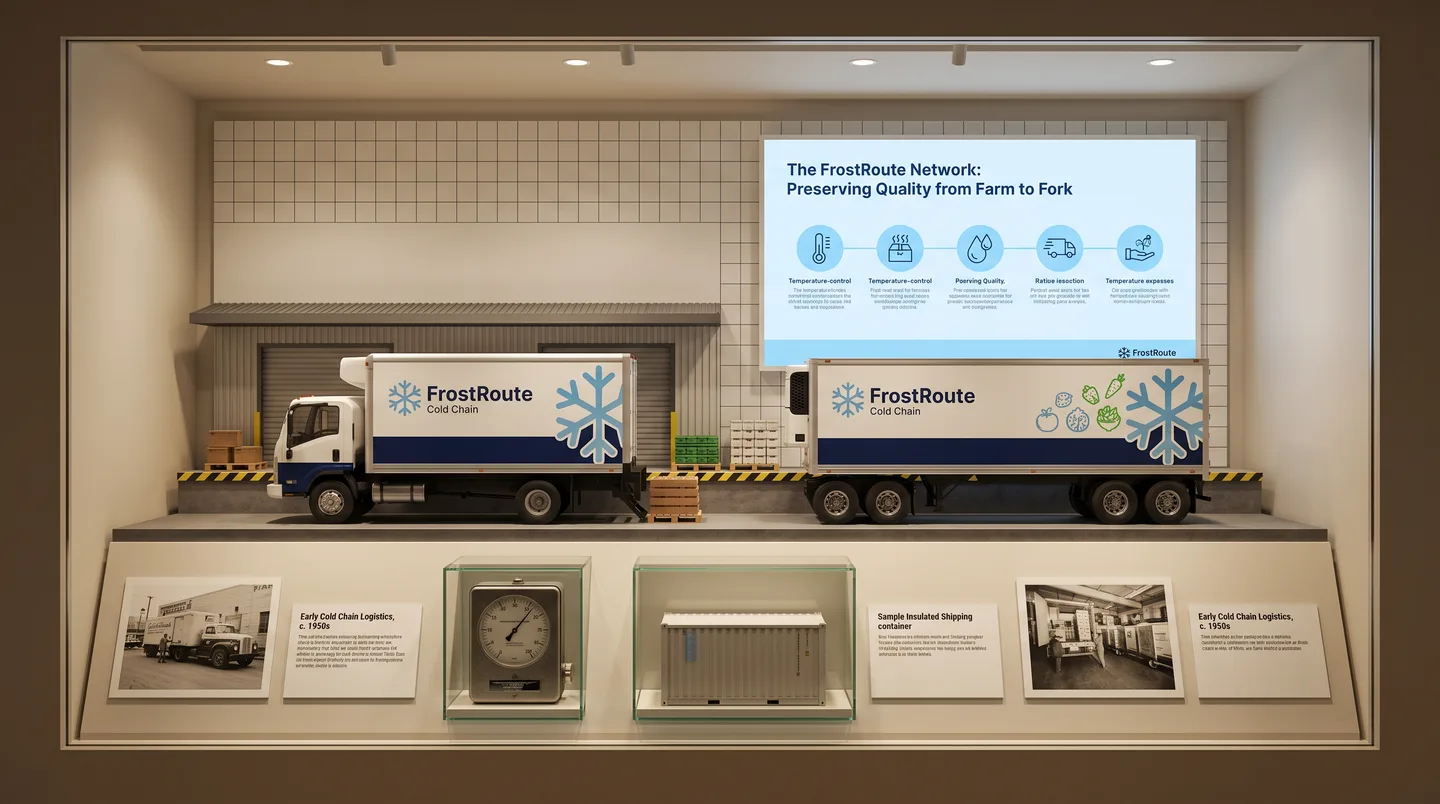
Adapt large-format brand graphics to panel construction, seams, hardware, unit data, and fleet operating requirements.
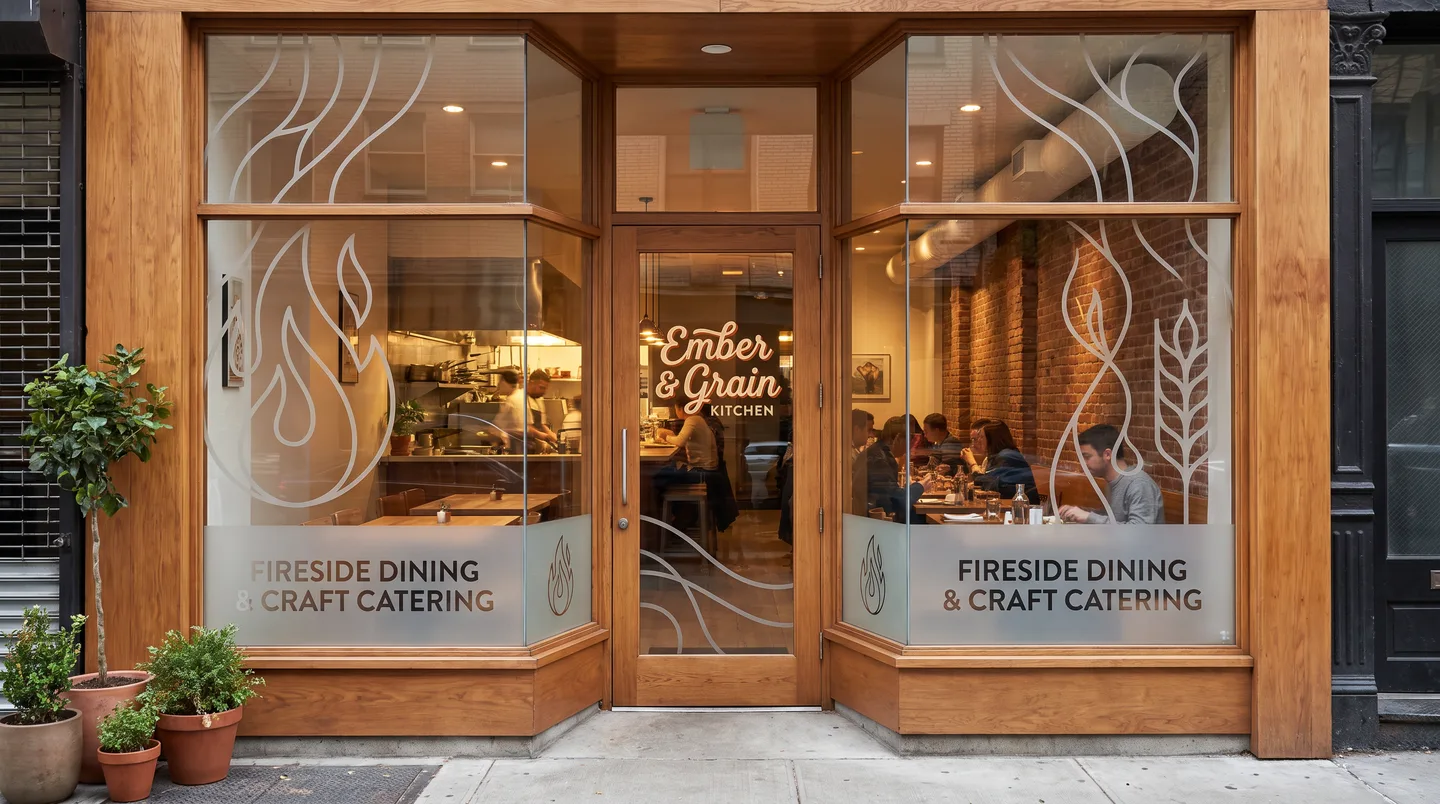
Coordinate entrance identity, promotion, selective privacy, daylight, door visibility, and required property sightlines.
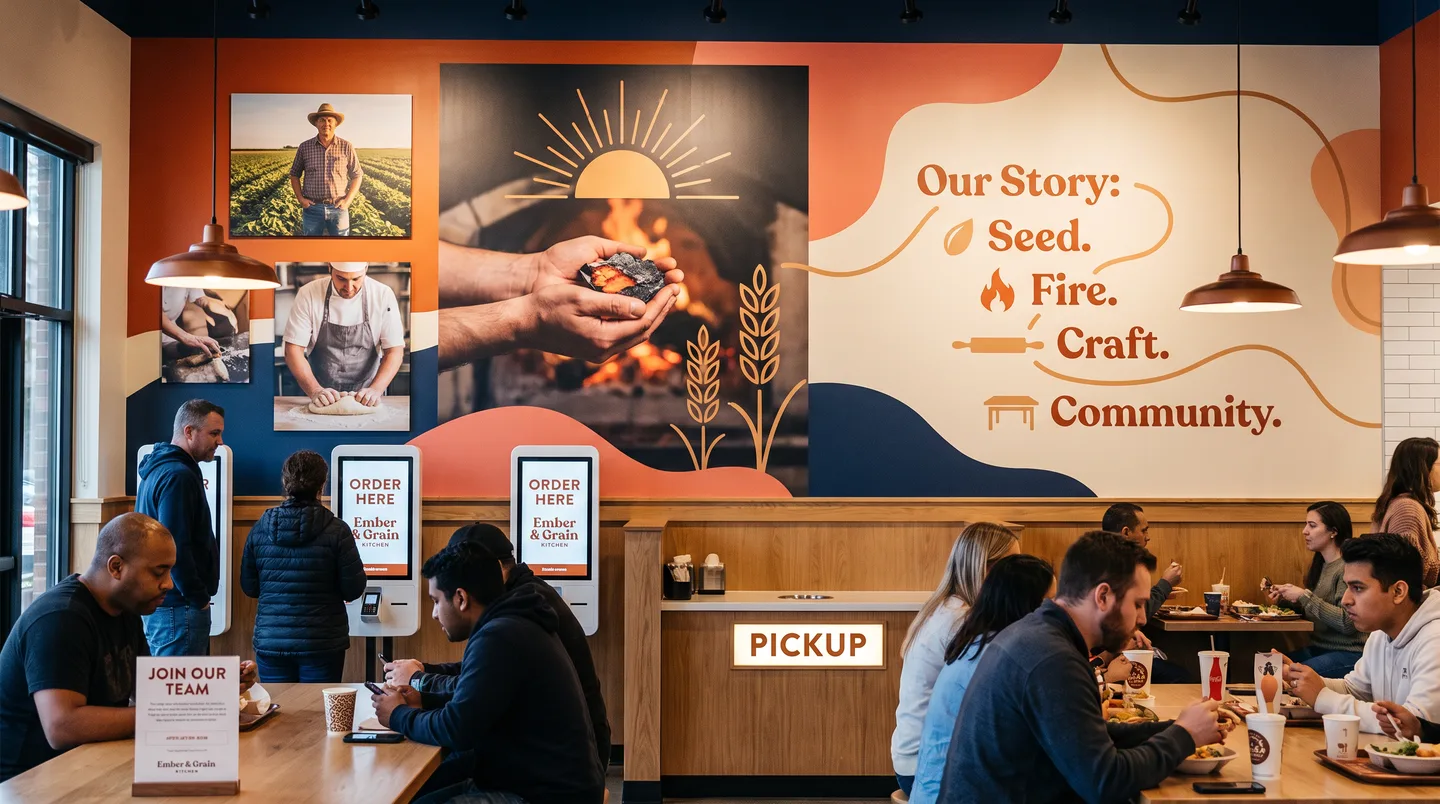
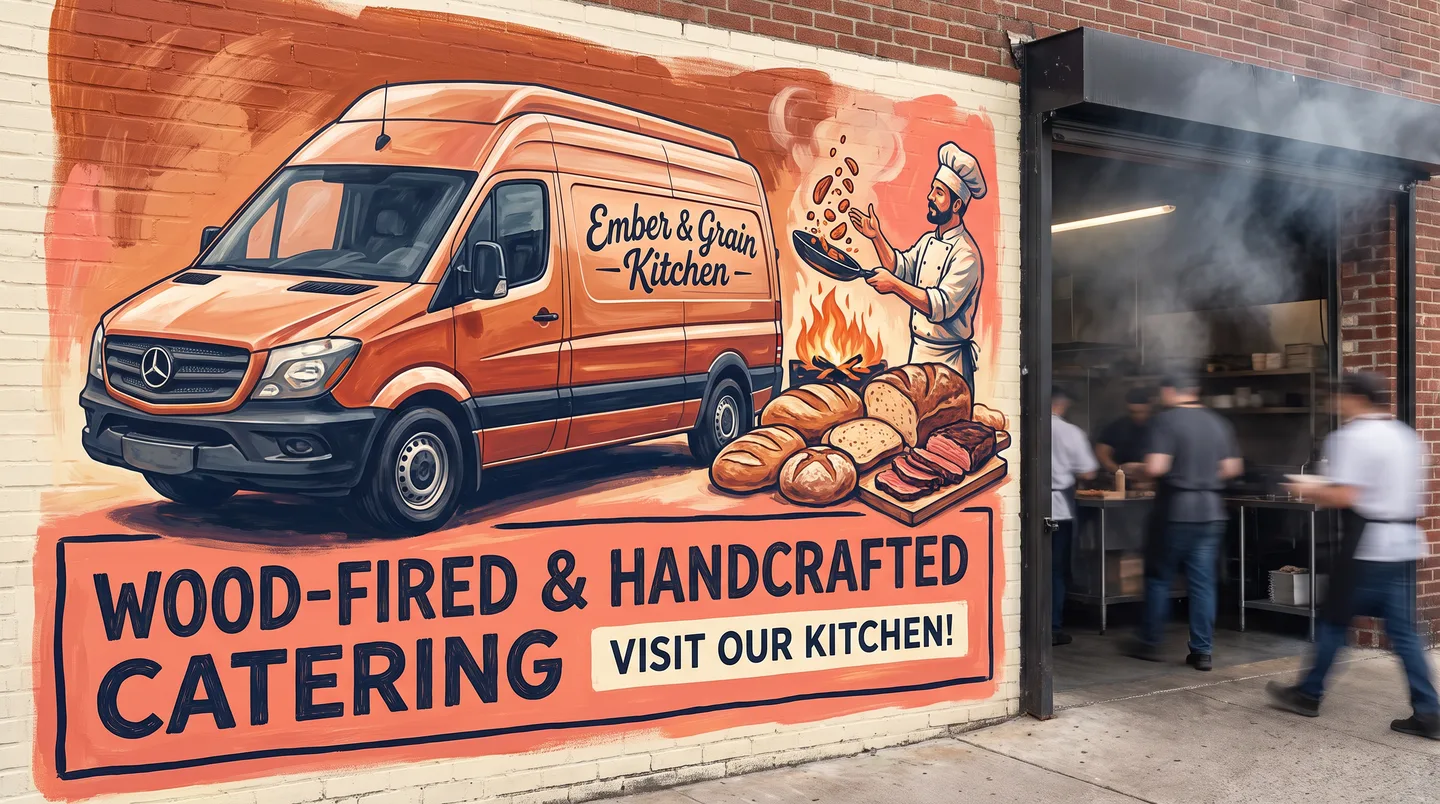
Use feature walls, brand stories, wayfinding, and pickup-zone graphics to extend the identity beyond the storefront.
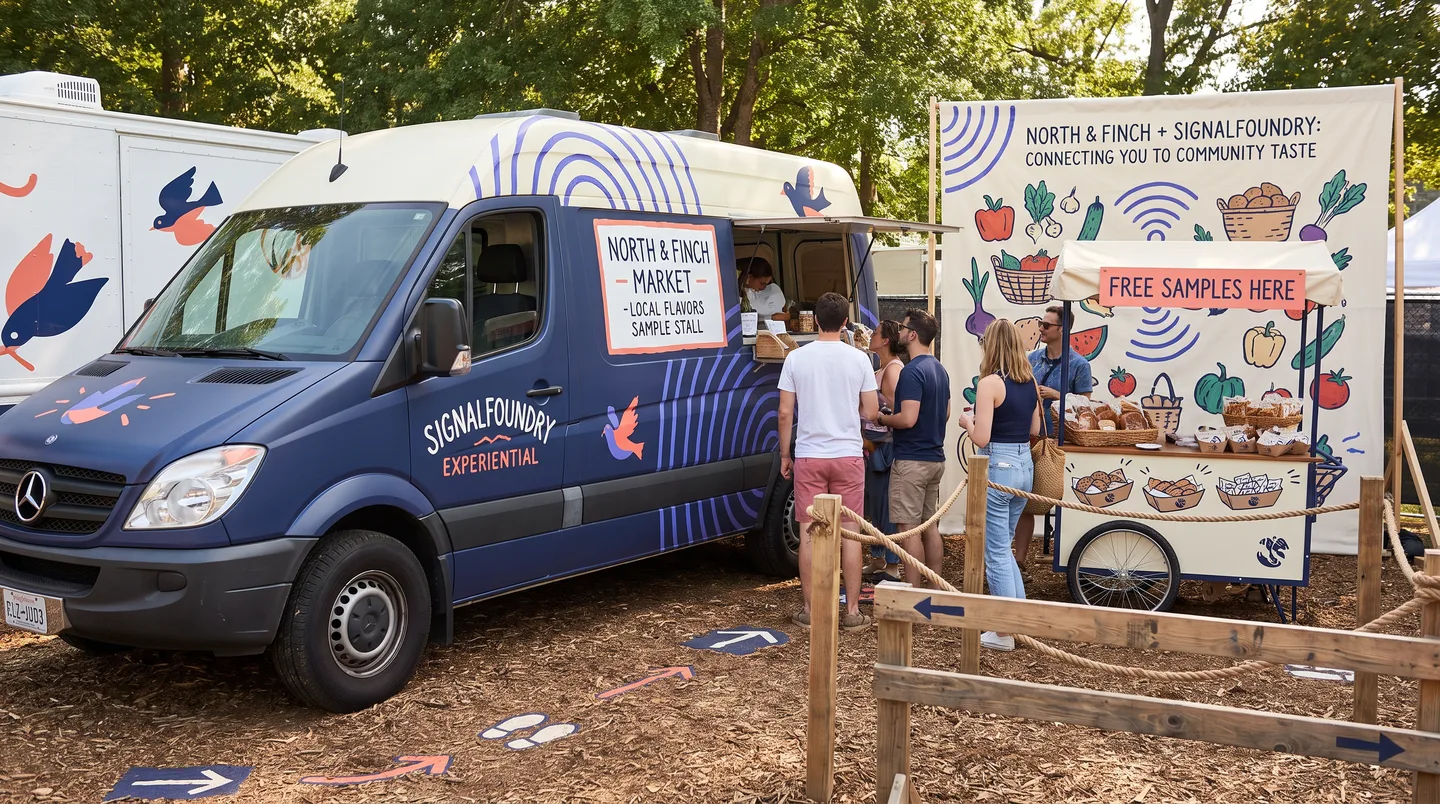
Plan temporary vehicle, cart, backdrop, and venue graphics around campaign dates, approvals, access, and removal.
The same artwork should not be stretched across every application. Match the message to the viewing distance, dwell time, and operating constraints.
| Surface | Primary Job | Lead With | Plan Around |
|---|---|---|---|
| Delivery vehicle | Recognition and ordering action | Brand, category, one response path | Doors, handles, cameras, identifiers, short viewing time |
| Food truck or cart | Recognition and service flow | Food category, brand, ordering zone | Openings, vents, hardware, changing menus, queue direction |
| Distribution truck or trailer | Fleet identity at distance | Brand blocks, product category, web or fleet message | Seams, rivets, refrigeration hardware, unit and authority data |
| Storefront glass | Identity, promotion, selective screening | Entrance identity, offer hierarchy, hours as owner-supplied copy | Lighting, door visibility, sightlines, property requirements |
| Interior wall | Story, atmosphere, orientation | Brand story, origin, feature imagery, wayfinding | Wall condition, finish, fixtures, viewing distance, removability needs |
| Temporary activation | Campaign recognition within a fixed window | Campaign concept and event action | Install and removal dates, approvals, venue rules, surface history |
Name, mark, color, and a distinctive visual cue should establish recognition before secondary details appear.
Make it clear whether the business offers catering, coffee, bakery, restaurant delivery, distribution, or another food service.
Select one priority—order online, book catering, find a location, follow the route, or visit the service window.
Add only approved differentiators that remain legible and current; avoid building the entire sales pitch into the wrap.
Keep prices, menus, dates, and seasonal offers on replaceable elements when the information is expected to change.
Confirm required identifiers, permits, property rules, franchise standards, claims, and safety clearances before approval.
List vehicles, carts, windows, walls, locations, variants, current conditions, deadlines, and operating constraints.
Define the shared visual language and the message hierarchy for each application rather than forcing one layout everywhere.
Review proofs, measurements, brand files, required owner-supplied content, site rules, and production scope.
Print, laminate, organize, and install the approved graphics in a sequence built around access and operations.
Tell us what needs graphics, how it will be used, and which dates or approvals shape the project.