Campus Shuttles
Plan route and institution identity around doors, windows, passenger operations, lighting, and approved markings.
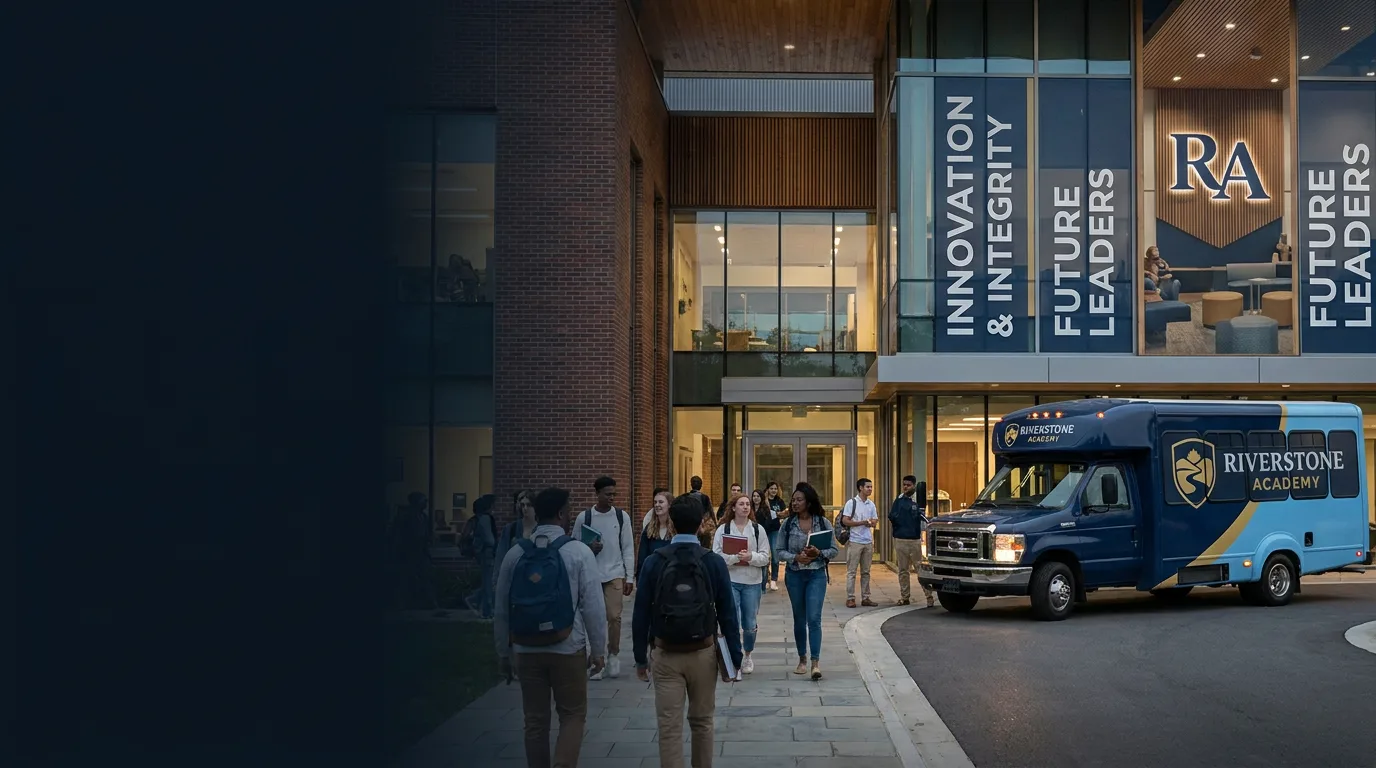
Coordinate buses, shuttles, service vehicles, entrance glass, program walls, athletics, student spaces, and temporary campaigns within one education graphics system adapted to each audience and surface.
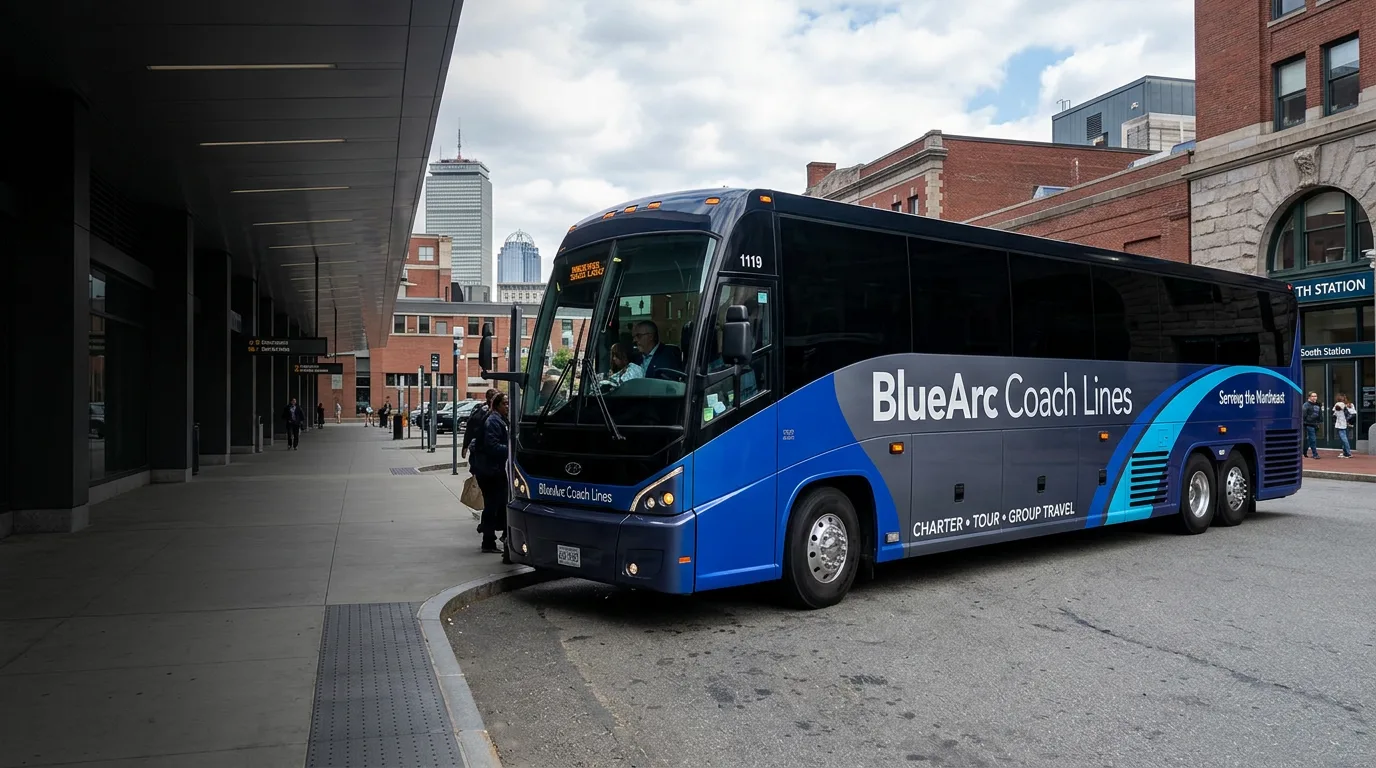
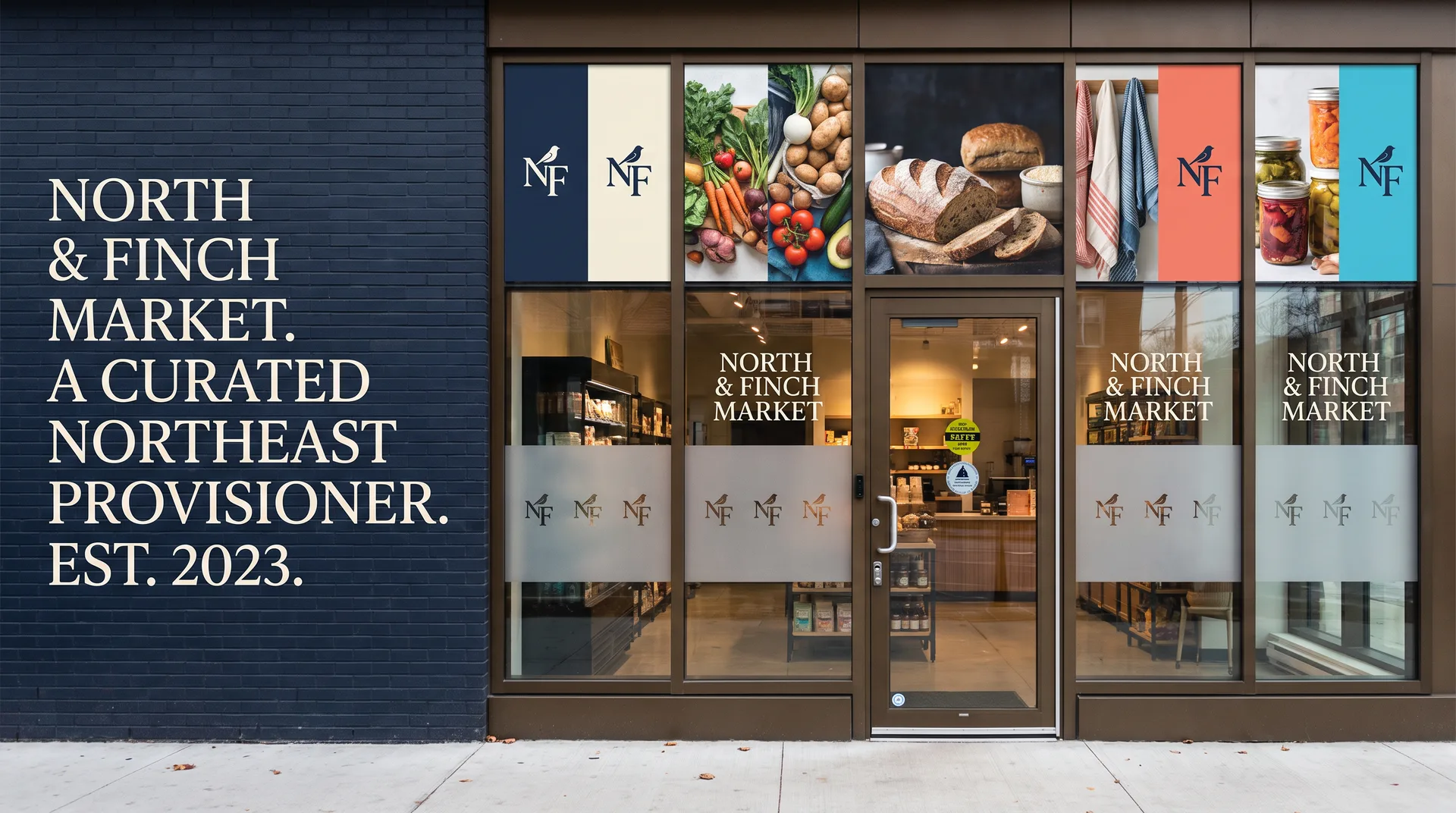
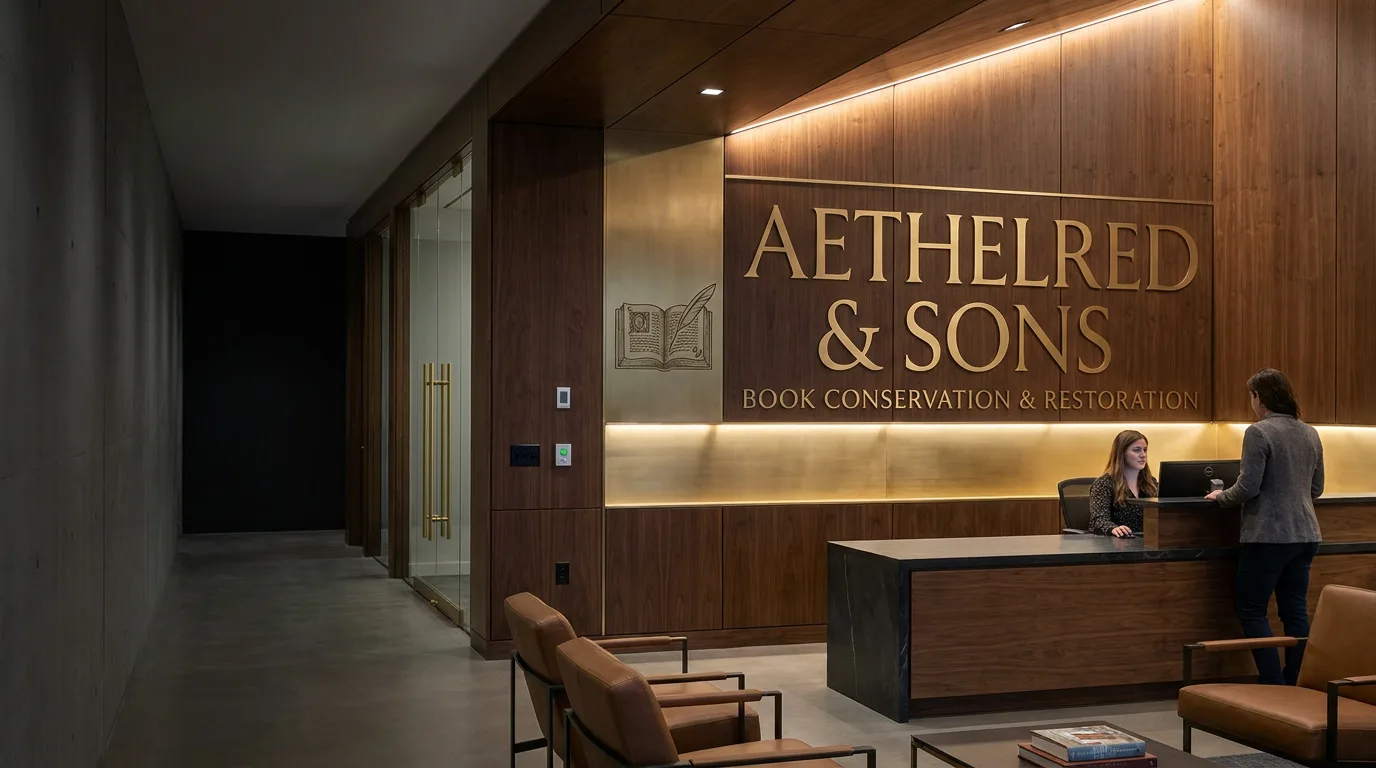
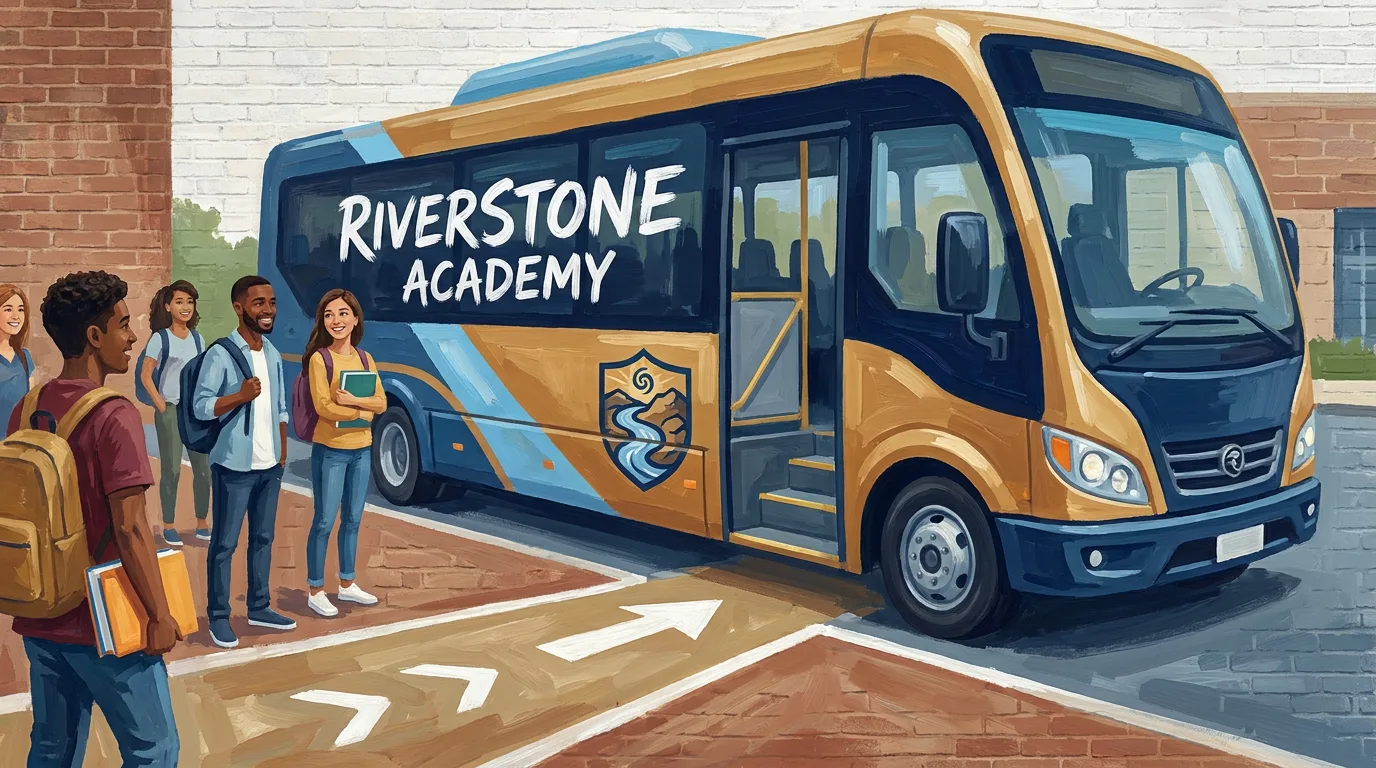
Transportation graphics work in motion and at pickup points. Entrance glass helps identify and orient. Interior walls can celebrate programs, history, values, athletics, and belonging at a slower pace.
A shared system can keep those moments related while changing the message hierarchy for a shuttle, corridor, admissions window, gym, cafeteria, or summer program.
The institution or authorized operator approves transportation markings, building requirements, accessibility and life-safety clearances, student imagery permissions, claims, donor or partner content, and brand standards. We adapt approved information to the actual surfaces.
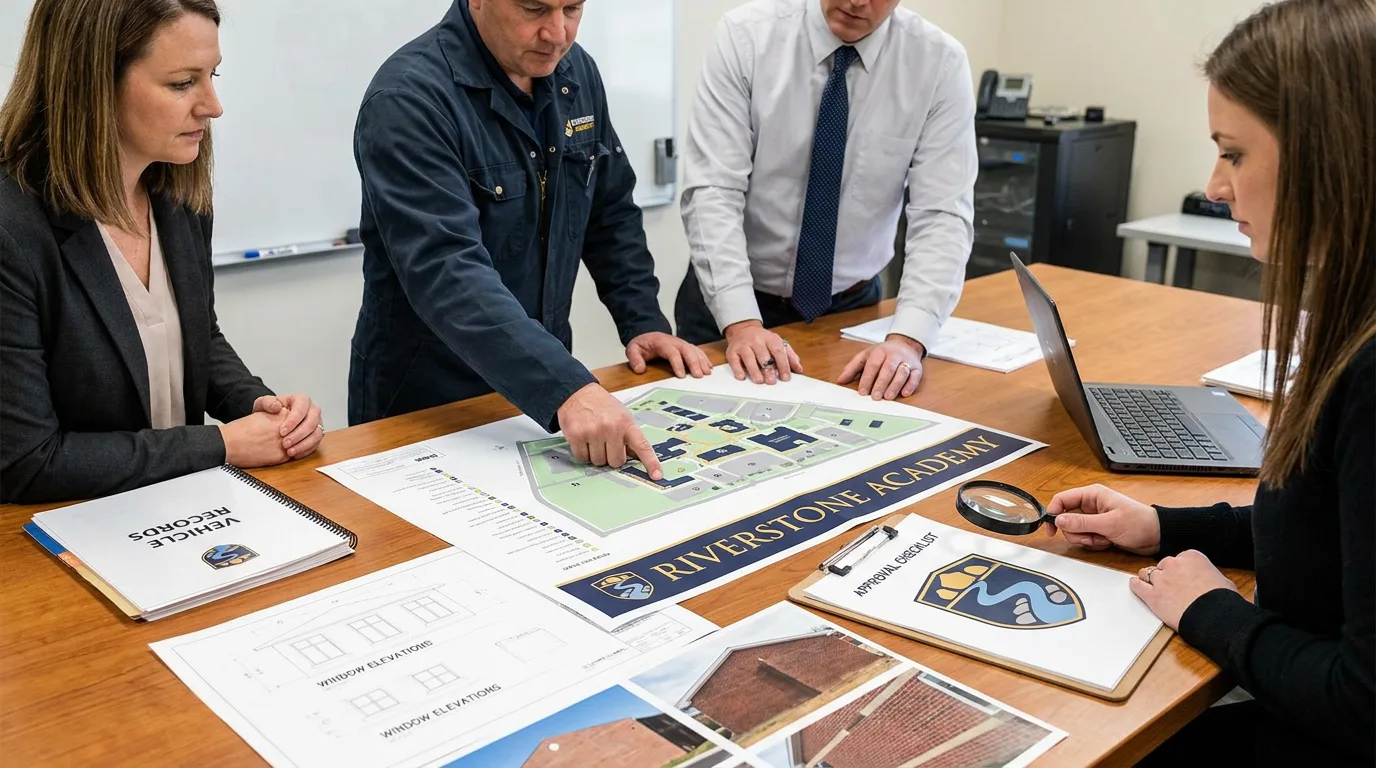
Choose one project or build a phased system across programs, vehicles, and facilities.
Plan route and institution identity around doors, windows, passenger operations, lighting, and approved markings.
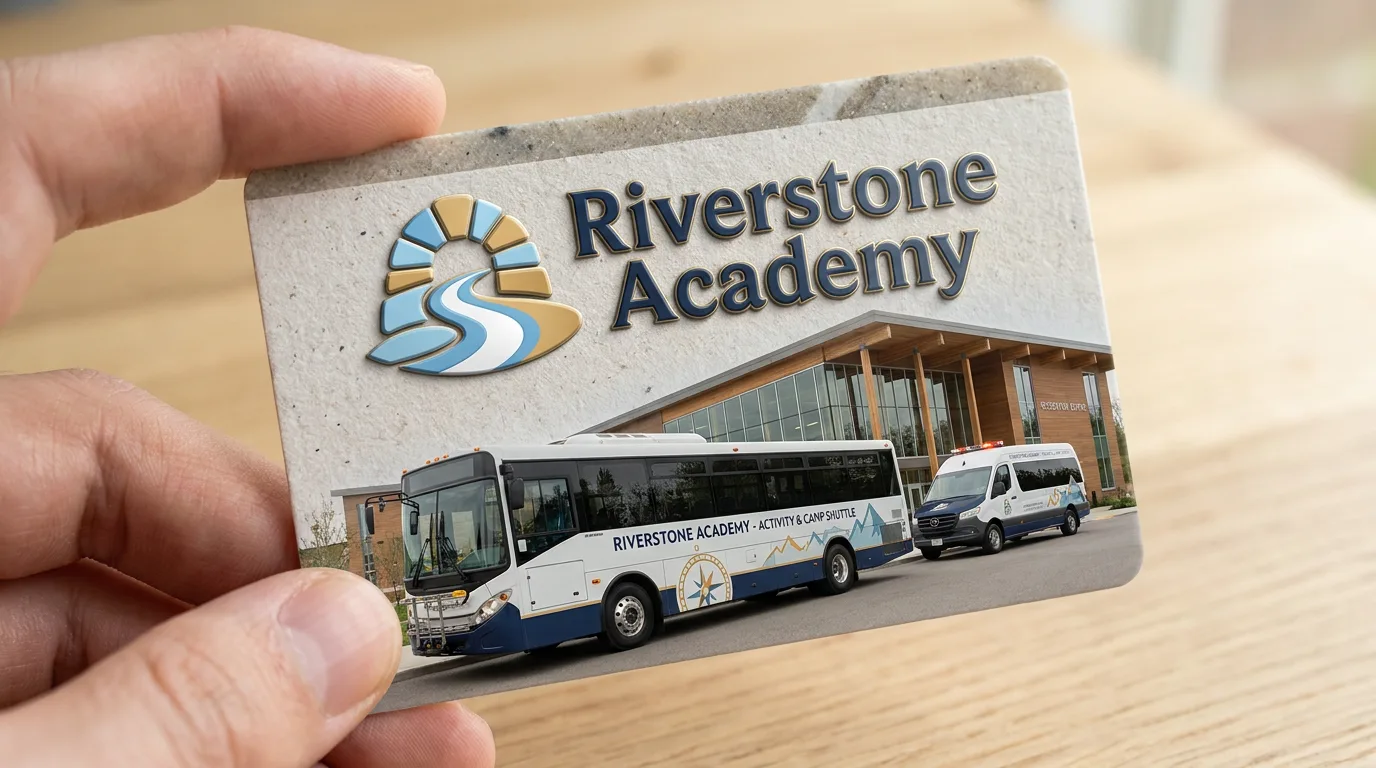
Adapt approved program graphics without assuming the same rules as a non-school commercial vehicle.
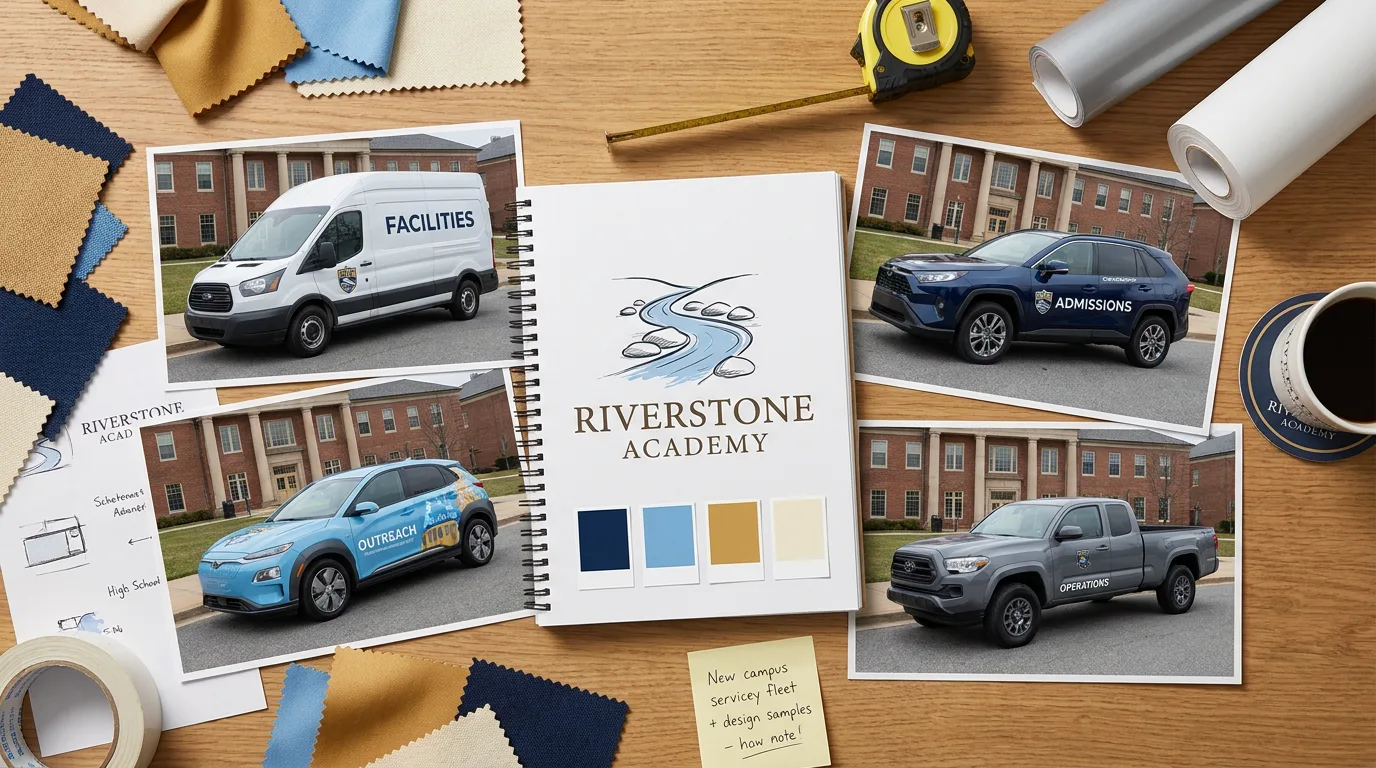
Connect facilities, admissions, athletics, security-support, outreach, and program vehicles by role.
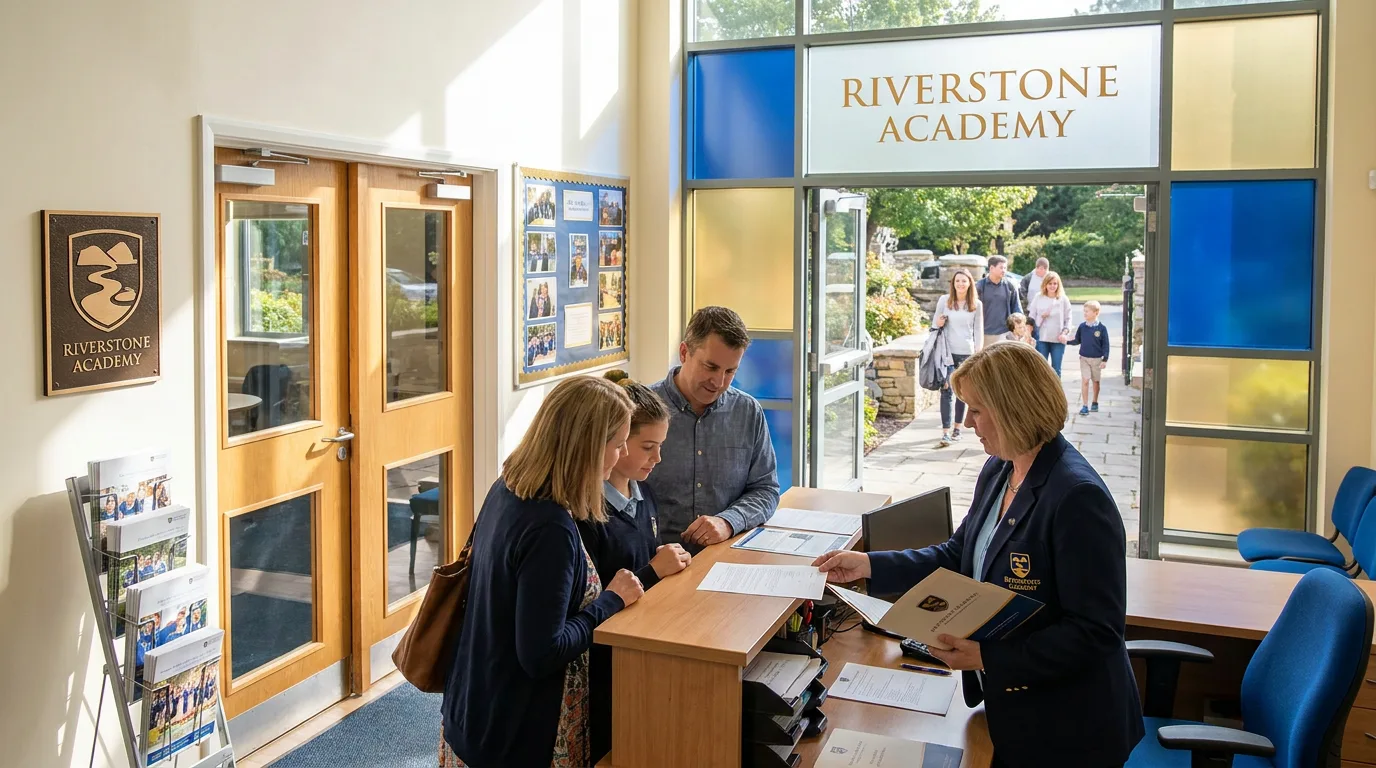
Balance identity, program information, selective coverage, door visibility, daylight, and sightlines.
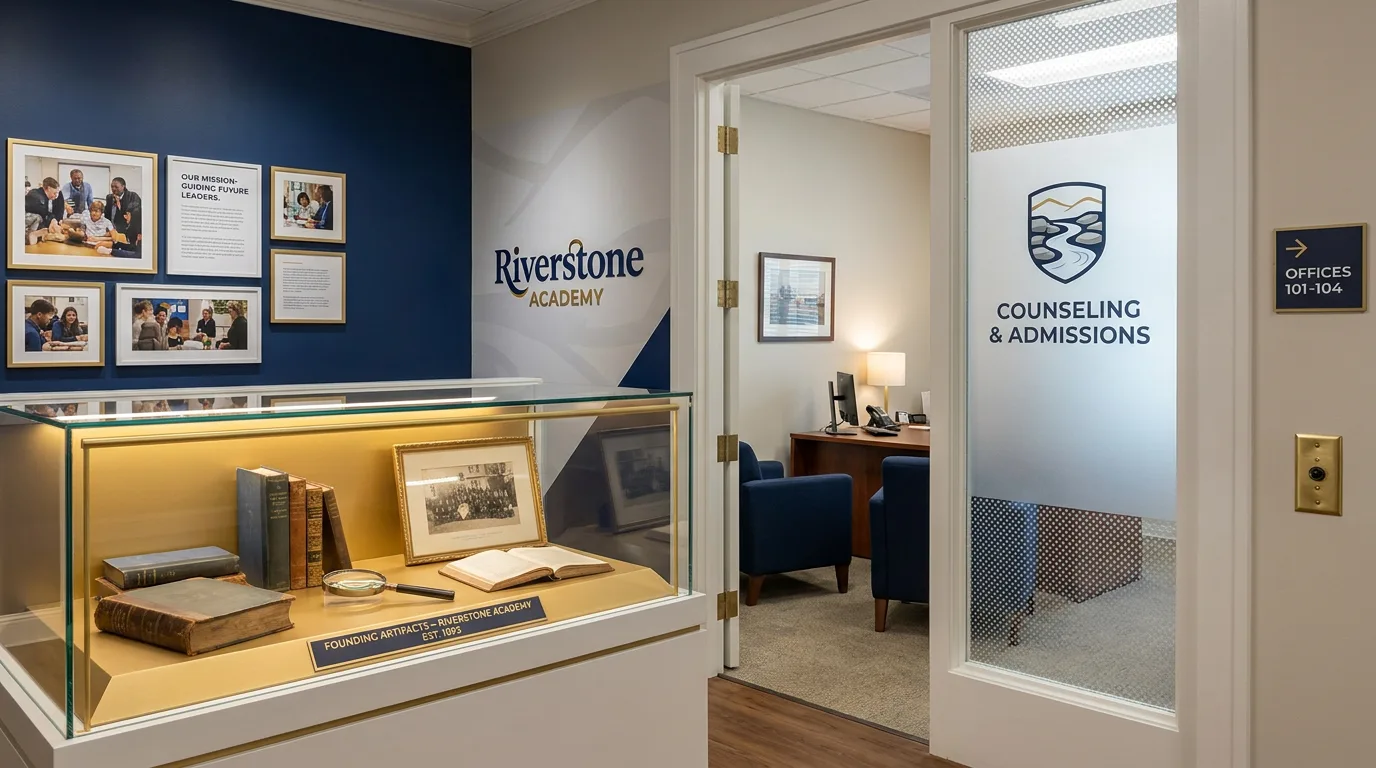
Define which views need screening, at what height, from which direction, and under real lighting.
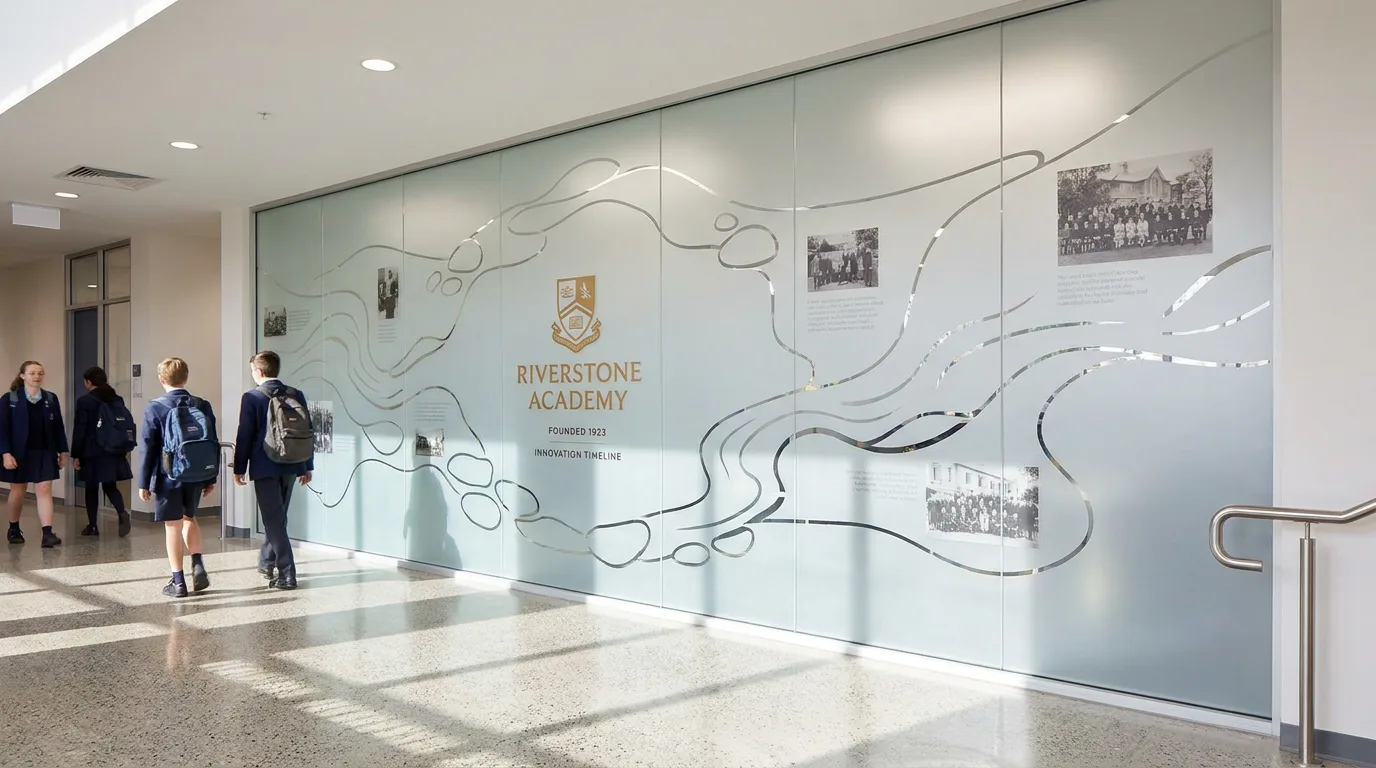
Use lobbies, corridors, libraries, and student centers for approved history, values, programs, and wayfinding.
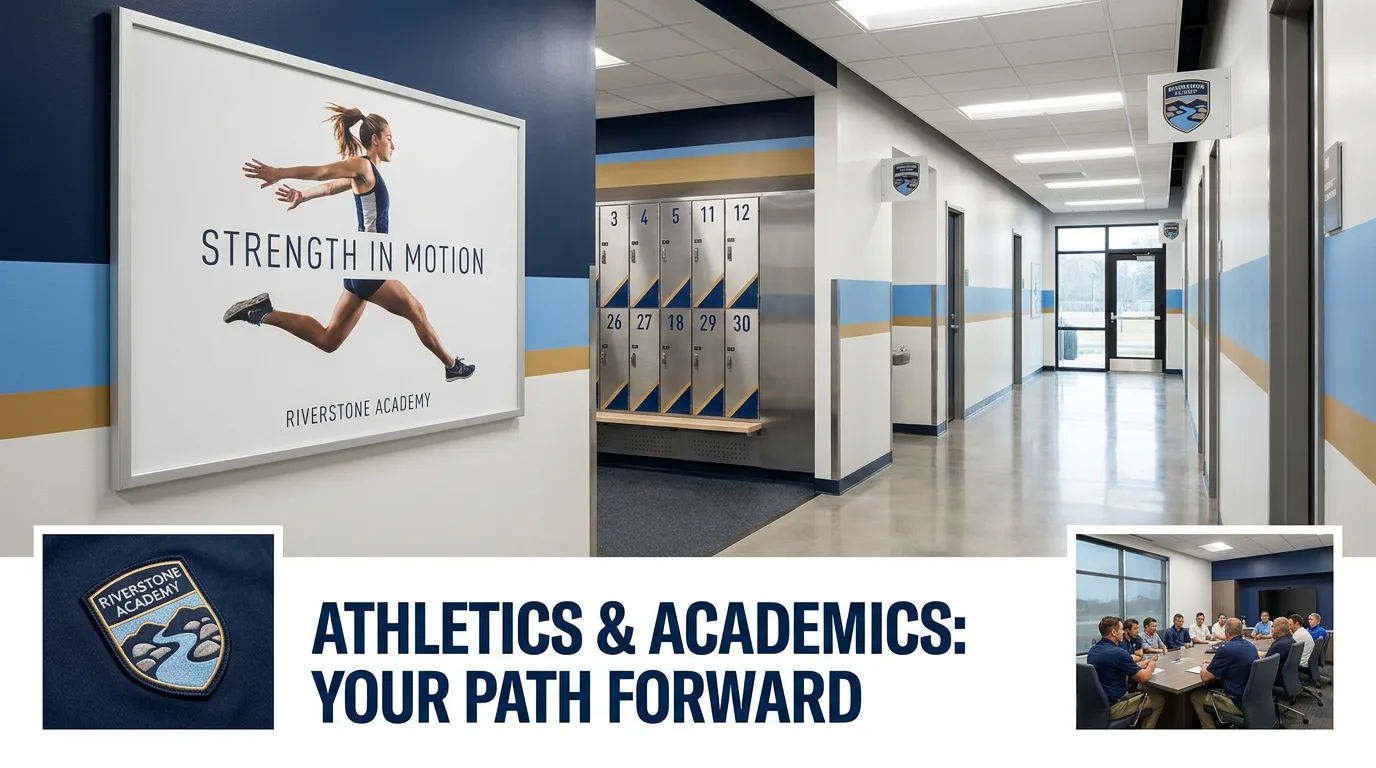
Extend approved team identity into gyms, training areas, locker corridors, venues, and activity vehicles.
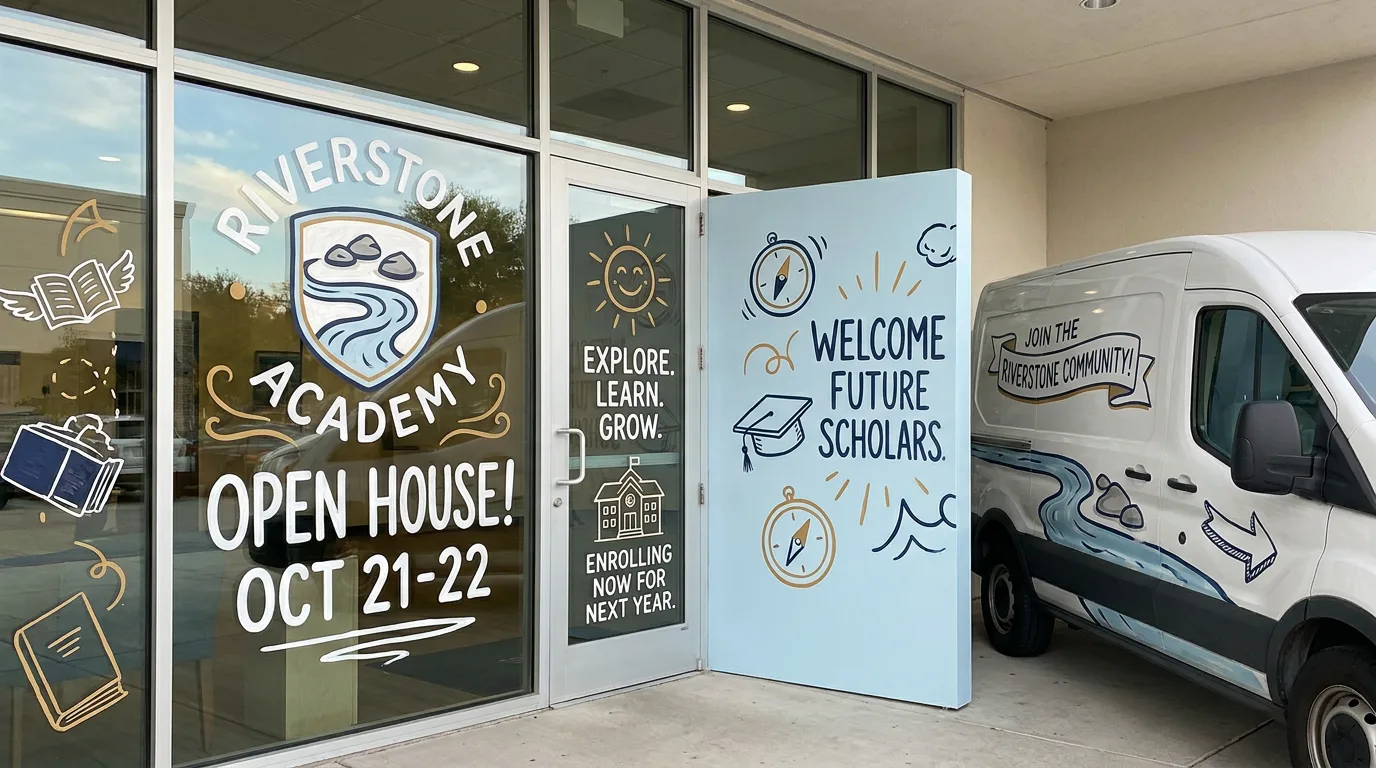
Plan open-house, enrollment, event, construction, and program graphics around launch and removal dates.
Education brands often contain nested identities. Define which level leads on each asset and how the parent institution, campus, school, department, athletics program, route, sponsor, donor, or temporary initiative relates to it. The vehicle or surface should not become a contest between every mark.
Use the master identity where broad recognition and authority matter most.
Give locations a clear relationship to the institution without losing local recognition.
Prioritize the program only when the vehicle or space serves that audience directly.
Reserve clear areas for owner-approved transportation, unit, facilities, or service information.
Use athletics and activity identities with current approved files and defined asset ownership.
Keep dates, enrollment, events, sponsors, and changing content on replaceable campaign elements.
Identify route, activity, maintenance, inspection, and event commitments before scheduling intake.
Plan keys, escorts, occupied spaces, classes, events, lifts, furniture, and other trades.
Clarify facilities, transportation, communications, leadership, athletics, program, donor, and property approvals.
Preserve entrances, routes, controls, safety information, accessible paths, and owner-defined sightlines.
Coordinate breaks, summer, open houses, enrollment, athletics, camps, move-in, and public events.
Define site and vehicle IDs, completion photos, spare panels, removal dates, and future replacement files.
List vehicles, surfaces, dimensions, conditions, programs, dates, access, approval owners, and requirements.
Define the identity hierarchy and the vehicle, building, program, team, route, and campaign variants.
Confirm proofs, site and vehicle conditions, owner-supplied constraints, material, sequence, and handoff.
Stage work by calendar, priority, access, vehicle availability, location, and approved production batch.
Share the vehicles, spaces, programs, calendar, and approval path that define the project.